When you're looking into electric vehicles, picking out the right Home Car Charger is pretty important, especially if you’re shopping from different parts of the world. The right charger isn’t just about charging your car; it’s about making your life easier and more efficient. There are so many brands out there—like ChargePoint, JuiceBox, and several others—and honestly, trying to figure out which one suits your needs can be a bit overwhelming. Everyone’s got their own lifestyle and vehicle, so what works for someone else might not be perfect for you.
Now, when it comes to choosing a charger, speed is definitely a factor, but quality and safety are just as, if not more, important. It’s tempting to go for the cheaper options, right? But often, those lower-priced chargers don’t last as long and might not be as reliable. Think of it like investing in something you’ll use daily—you want to go for something that’s built to last, even if it costs a bit more upfront. Ask yourself: is saving a few bucks really worth risking your safety or facing frustrations down the line?
Smart buyers will do their homework—checking out how much power the charger can deliver, what kind of installation it needs, and how compatible it is with their specific vehicle. It’s also a good idea to familiarize yourself with local rules and regulations before making a decision. Choosing the wrong charger could turn into a hassle, so it’s worth taking the time to make the right call. Remember, a good Home Car Charger isn’t just a gadget; it’s part of a lifestyle that’s better for the environment and your pocket in the long run.
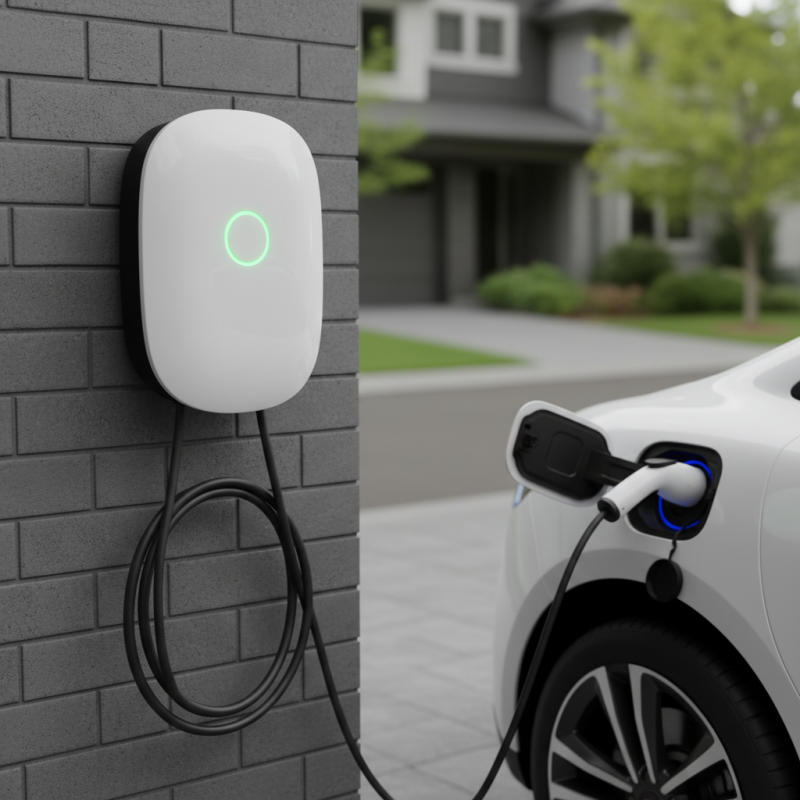
Best Practices for Choosing Home Car Chargers in 2023
Choosing a home car charger involves several key factors. The market for Electric Car Charger For Home solutions is growing rapidly. According to a recent report by the International Energy Agency, there will be more than 145 million electric cars on the road by 2030. This surge emphasizes the need for efficient home charging options.
One crucial aspect is compatibility with your vehicle. Not all chargers work with every electric car. It’s vital to check specifications and voltage requirements. A Level 2 charger typically offers faster charging than standard outlets, saving time. Furthermore, look for chargers equipped with smart features. These include app integration for monitoring energy consumption. Research indicates that users prefer chargers that offer detailed usage data.
Installation is another consideration, often overlooked. Hiring a certified electrician can prevent future issues. Many homeowners underestimate the importance of a proper installation setup. It ensures safety, efficiency, and long-term reliability. Additionally, evaluate the location of your charger. An ideal spot should offer convenience while minimizing visibility for security reasons. Take time to weigh these factors carefully. Mistakes in this area can lead to inconvenience or increased costs later.
Understanding Different Types of Home Car Chargers: Level 1 vs. Level 2
When considering home car chargers, understanding the differences between Level 1 and Level 2 chargers is crucial. Level 1 chargers use a standard household outlet, delivering around 1.4 kW. According to the US Department of Energy, this means charging times can exceed 12 hours for a typical electric vehicle. It’s simple and convenient, especially for those who drive short distances daily. However, for frequent drivers or those with larger batteries, this method can be quite slow and inconvenient.
Conversely, Level 2 chargers are a significant upgrade. They deliver 4.8 to 19.2 kW, cutting charging time down to just a few hours. A study cited by the Electric Power Research Institute indicates that Level 2 chargers can provide an 80% charge in about 30 minutes. This increased efficiency offers more flexibility for families or those who rely heavily on electric vehicles. However, installation can be costly and requires a dedicated circuit, which may be a barrier for some homeowners.
Despite the advantages, not all homes are equipped for Level 2 chargers. Some residents may experience wiring issues or restrictions from their local building codes. It’s crucial to assess your home’s electrical capacity before making a decision. This reflects the need for careful planning when investing in home charging solutions. Different needs require different chargers; balancing efficiency and practicality is key.
Evaluating Charger Compatibility with Global Electric Vehicles
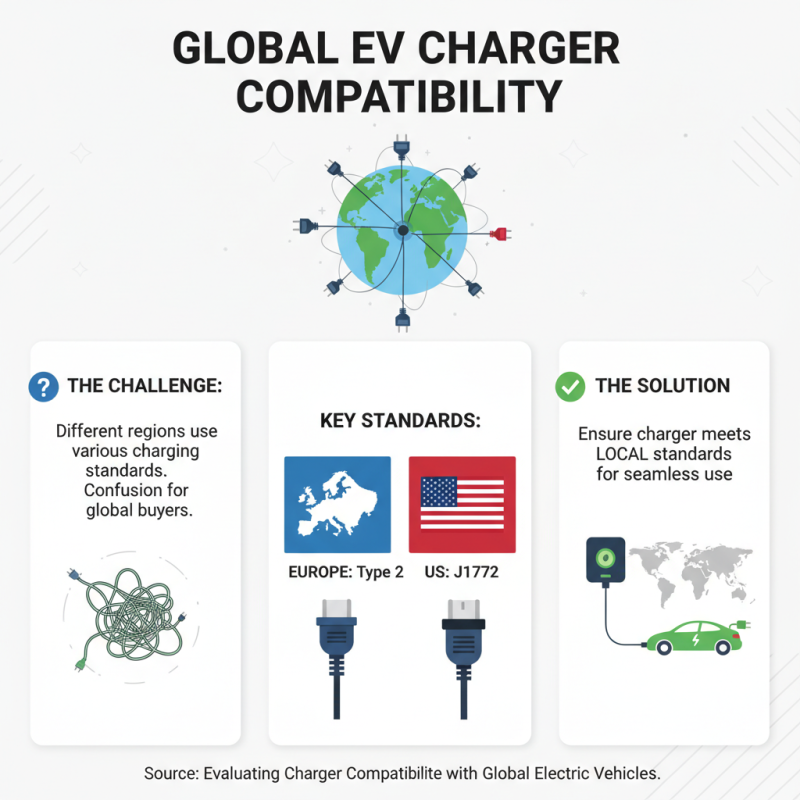
As electric vehicles (EVs) gain popularity worldwide, finding a compatible home car charger is essential for global buyers. Different regions use various charging standards. For instance, Europe largely employs Type 2 connectors, while the US prefers J1772. This variability can create confusion for buyers. Ensuring that a charging solution meets local standards is crucial for seamless use.
Consider the charging speed too. Level 2 chargers are common for home use, providing a faster charge than standard outlets. However, users must check if their vehicle supports these chargers. Installation requirements can vary based on home electrical systems, which adds complexity. Users may need professional help, depending on local regulations.
Compatibility isn’t the only concern. The location may affect power supply stability. Rural areas often experience voltage fluctuations that can disrupt charging. Reflecting on these challenges can save time and money. Remember to read user reviews to gauge reliability. Misunderstandings about charger specifications can lead to poor purchasing decisions. Keep these factors in mind when selecting a charger for your EV journey.
Assessing Charging Speed: Kilowatts, Amperes, and Efficiency Ratings
When choosing a Home Charger Electric Car solution, understanding charging speed is essential. Charging speed is measured in kilowatts (kW) and amperes (A). These figures determine how quickly a car can recharge. A higher kW capacity means faster charging times. However, not every home can support high-kW chargers.
For many buyers, efficiency ratings also play a significant role. An efficient charger minimizes energy loss during charging. Look for chargers with good ratings to ensure you maximize energy use. Sometimes, a lower-rated charger might seem attractive due to cost, but it can lead to higher electricity bills over time.
Consider your electrical setup when choosing a charger. Homes vary in wiring, and older systems may not handle high-power chargers. Seeking advice from a professional can help ensure compatibility. Charger installation can also pose challenges. In cases of limited space or location, creativity and planning become crucial. Each situation provides a unique opportunity for improvement. Finding the right balance of power and efficiency in your home charger electric car setup can be a rewarding challenge.
The Importance of Smart Features in Modern Home Car Chargers
In today’s tech-savvy world, smart features in home car chargers are crucial. They enhance efficiency, convenience, and safety. Smart chargers offer capabilities like scheduling charging times, monitoring energy consumption, and app connectivity. These features allow users to manage their electric vehicle (EV) charging seamlessly. However, many still overlook these benefits.
Investing in an Ev Car Charger For Home should mean more than just fast charging. Look for models with features that provide real-time updates and notifications. Some chargers even enable users to control charging from their smartphones. This flexibility can save time and reduce electricity costs.
Tips: Always check compatibility with your EV before purchase. Consider a charger that can handle multiple vehicles. Remember, features may vary significantly between different models. Research is key. Smart technology can change how you power your car, but some users may struggle to adapt to new tech. Keep an open mind; embrace the change.
Best Home Car Charger Solutions for Global Buyers
This chart illustrates the evaluation metrics for home car chargers based on key features that global buyers consider important. Metrics such as Fast Charging, Smart Features, Portability, Price, and User Ratings are assessed on a scale from 0 to 100, showcasing their significance in selecting the best charger solution.
Safety Standards and Certifications for Home EV Chargers
When selecting a home car charger, safety standards and certifications are paramount. Electric vehicle (EV) chargers must adhere to various regulations to ensure safe operation. Look for chargers certified by recognized organizations. These certifications indicate compliance with industry safety standards.
One crucial aspect is the International Electrotechnical Commission (IEC) standards. Chargers meeting these standards pass rigorous testing. This testing evaluates factors like overheating, electrical safety, and protection against faults. Remember to verify these certifications before making a purchase.
Tips: Check the installation requirements. Some chargers may need professional installation. Always consider your home's electrical capacity. Overloading systems can lead to hazards.
Another consideration is the charger’s safety features. Look for built-in protection against overcurrent and short circuits. These features enhance safety, reducing risks during charging sessions. While many chargers come equipped with safety technology, it's wise to research and confirm these claims. Don’t overlook the importance of user reviews. They can reflect the reliability of specific models based on real experiences.
Cost Analysis: Budgeting for Installation and Long-term Savings
When considering an At Home Electric Car Charger, understanding the long-term savings and installation costs is crucial. Many homeowners overlook these expenses. Initial installation may appear daunting, yet it’s an investment worth making. Both the charging equipment and professional installation can vary significantly in price. On average, the installation cost can range from $500 to over $1,500, depending on your home's existing electrical infrastructure.
Long-term savings add a compelling layer to this decision. Electric vehicle owners often enjoy lower energy costs. Charging at home usually costs less than using public charging stations. Some utilities offer incentives for installing home chargers, which can offset the installation costs. However, it’s essential to research and account for any potential increases in your local electricity rates. Monitoring these factors can help you validate your choice.
Reflecting on personal habits also plays a role. How often do you use your vehicle? If you're driving extensively, a home charger can greatly reduce your fuel expenses. However, if it’s only occasional use, the expense might outweigh the benefits. Evaluating your driving patterns will help you determine if an At Home Electric Car Charger is a wise financial decision. Balancing installation costs with potential savings can lead to a more informed choice.
Exploring the Benefits of Smart 80A Home EV Charger: Insights from Recent Industry Research on Electric Vehicle Charging Trends
The landscape of electric vehicle (EV) charging is rapidly evolving, with advancements in technology playing a pivotal role in enhancing user convenience and efficiency. One notable solution, the Smart 80A Home EV Charger, exemplifies how modern technology can streamline the EV charging experience. Recent industry research highlights the increasing importance of smart chargers, which not only optimize charging times but also provide users with insights into their energy consumption patterns. This shift toward smarter charging solutions reflects the growing demand among consumers for more control and transparency in their energy usage.
Smart home EV chargers, particularly those with enhanced features like adjustable amperage and communication capabilities, significantly contribute to efficiency and sustainability. As more EVs hit the roads, the ability to charge vehicles at home using a reliable and intelligent system becomes crucial. Research indicates that such systems can reduce charging costs by utilizing off-peak electricity rates, thus making them not just a practical choice but also an economically savvy one. Beyond convenience, smart chargers can integrate with home energy systems, allowing users to monitor and manage their energy usage more effectively, promoting overall energy efficiency.
The shift towards smart charging solutions aligns seamlessly with the broader trends in the electric vehicle industry, where consumer preferences are increasingly leaning towards technology-driven products. As the market continues to grow, the Smart 80A Home EV Charger emerges as a key player, offering benefits that resonate with environmentally conscious users looking to enhance their EV experience while reducing their carbon footprint. This technological evolution represents a significant move towards a more sustainable and efficient future for electric mobility.
FAQS
: Check your vehicle's compatibility, look for smart features, and consider installation needs.
Not all chargers work with every electric vehicle. Ensure it meets your car's specifications.
Level 2 chargers are faster than standard outlets. Check if your vehicle supports this type.
It’s better to hire a certified electrician. This ensures safety and prevents future issues.
Voltage fluctuations can cause charging interruptions. Consider this when selecting a location for your charger.
Yes, charging at home usually costs less. Look for utility incentives to offset installation expenses.
Frequent drivers benefit more from home chargers. Occasional use may not justify installation costs.
Installation can range from $500 to over $1,500. Costs vary based on your home's electrical setup.
Smart features for monitoring usage and energy consumption enhance the user experience.
Reading user reviews can provide insight into any potential issues or advantages.
Conclusion
Choosing the right Home Car Charger is crucial for electric vehicle (EV) owners in 2023. There are two primary types of chargers: Level 1 and Level 2, each catering to different charging needs. It’s essential to evaluate compatibility with various global electric vehicles to ensure efficiency. Understanding charging speed, measured in kilowatts and amperes, along with efficiency ratings, can significantly affect the overall user experience.
Moreover, incorporating smart features into Home Car Chargers adds convenience and control to the charging process. Safety standards and certifications are paramount to guarantee safe usage, while a thorough cost analysis can help users plan for installation expenses and predict long-term savings. By considering these factors, buyers can select an optimal home car charging solution tailored to their needs.
 Contact Us