Contact Us

Picking the right business EV chargers isn’t just about buying equipment off the shelf. Honestly, it’s more like a strategic decision that influences how fast your vehicles charge, your operating costs, driver experience, and even your day-to-day business flow. For example, a charger that’s perfect for a hotel might totally flop at a busy logistics center. So, the best choice really starts with understanding your site — not just flipping through brochures.
From real-world experience, I can tell you that factors like power capacity, how long cars stay parked, the local climate, and vehicle turnover rates play huge roles. Some workplaces need reliable overnight charging, while others, like retail spots, might want quick charging with easy payment options. Don’t forget to double-check connector compatibility, energy management features, warranty details, installation needs, and how solid the software is. These little things can often make or break whether a charger remains useful months down the line. Looks can be deceiving, so it’s worth digging deeper.
Getting professional help also means asking some tough questions. Will the local electrical system handle multiple chargers during busy hours? What happens if the internet goes down — will the network still run smoothly? Is there a qualified team to handle maintenance? While industry standards and certified installers definitely boost safety and give you peace of mind, they don’t eliminate every risk. Sometimes, even the most experienced buyers underestimate future demand. I’ve seen beautiful installations turn into headaches because they didn’t consider cable reach or parking layout properly. So, take your time and compare total ownership costs — not just the initial price. That includes energy costs, repairs, software fees, and possible upgrades down the line. With thoughtful planning, dependable business EV chargers can help push for greener transportation while keeping your operations running smoothly. Just remember, some fine-tuning is normal — infrastructure rarely works perfectly right out of the gate.
All in all, making the right choice isn't just about the tech — it’s about understanding your unique needs and planning ahead. A little extra effort upfront can save a lot of headaches later on.
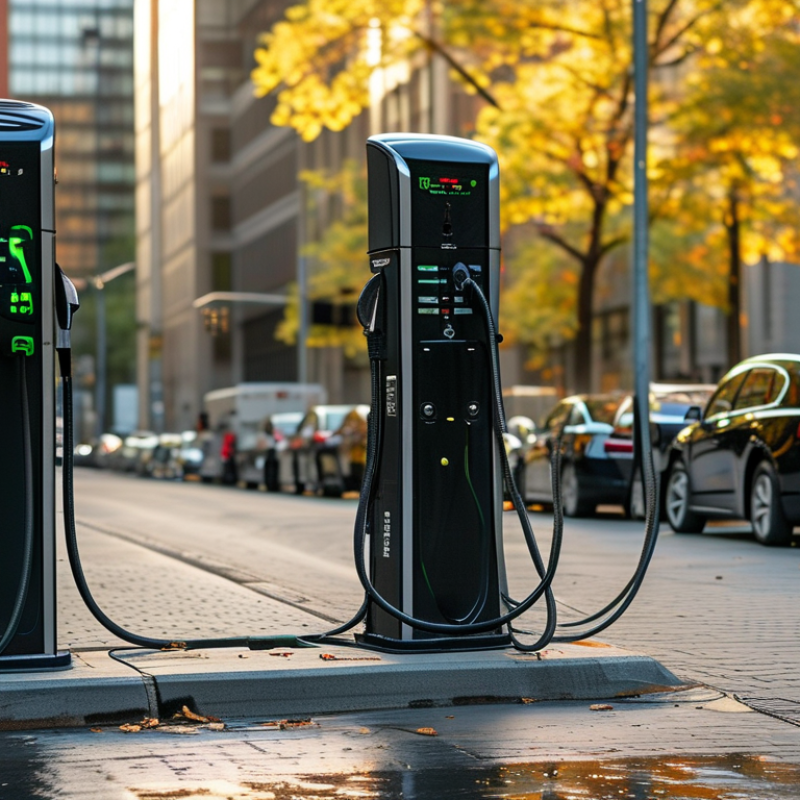
Choosing the right business EV chargers starts with measured fleet demand, not charger quantity. The International Energy Agency’s Global EV Outlook 2024 reports that global electric car sales exceeded 14 million in 2023. Public charging points also passed four million worldwide. This growth makes planning more important, especially when vehicles return together.
List each vehicle’s daily mileage, battery size, route, and parking time. For example, 20 delivery vans traveling 120 miles daily may need about 960 kWh, assuming 2.5 miles per kWh. Charging losses could raise that requirement above 1,050 kWh. A depot with eight-hour overnight parking may use slower AC chargers efficiently. Vehicles returning for only 45 minutes may require higher-powered DC equipment. Check the site’s transformer capacity, cable routes, weather exposure, and future fleet growth. The U.S. Department of Energy’s Alternative Fuels Data Center provides useful charging-power and infrastructure guidance. Still, a spreadsheet can lie. Real charging records often reveal uneven arrivals and forgotten auxiliary loads.
Tips: Install temporary monitoring before purchasing. Record arrival times, state of charge, and departure deadlines for two to four weeks. Leave spare electrical capacity where possible. A successful Ev Chargers Business plan should also test payment control, access permissions, maintenance response, and load management. One charger may remain unused. That is not failure, but it deserves a reason. IEA data shows charging demand will continue rising, yet every site has different constraints. Ask an electrical professional to verify protection, ventilation, and local installation requirements before construction.
Choosing Business Car Chargers starts with understanding charger types, charging speed, and available electrical power. Level 2 AC chargers commonly deliver 7–22 kW per port. They suit offices, hotels, and fleet depots where vehicles remain parked for several hours. DC fast chargers can provide 50 kW or more, but they require stronger infrastructure and usually cost more to install.
Speed must match the vehicle’s onboard charging limit. A 22 kW charger cannot make a car accept 22 kW if its onboard system supports only 11 kW. Check the vehicle specifications before purchasing. A 60-minute lunch stop may justify DC charging, while an eight-hour work shift usually supports AC charging. Small details matter. Cable length, connector storage, weather protection, and screen visibility affect daily use.
Power planning is often underestimated. An electrician should assess the building’s voltage, spare capacity, cable routes, and peak demand. Several 22 kW chargers can create a heavy load when employees plug in together at 9 a.m. Smart load management can distribute power and reduce the need for costly upgrades. However, it may slow individual sessions. That trade-off deserves honest review. A practical mistake is choosing the fastest unit before measuring parking patterns, fleet size, and average dwell time. Local electrical rules and certified installation requirements should guide the final design.
How to Choose the Best Business EV Chargers?
Begin with the site’s electrical capacity, not the charger’s advertised power. Review the main service rating, distribution panels, and existing demand during busy hours. A facility may appear to have spare capacity, yet heating, refrigeration, or machinery can consume it quickly. Ask a qualified electrician to measure real loads and confirm whether upgrades or managed charging are needed. Small mistakes become expensive.
Parking layout matters just as much. Walk the site and mark typical vehicle positions, cable reach, pedestrian paths, drainage points, and emergency access. Chargers placed beside narrow lanes may cause blocked doors or unsafe cable crossings. Consider where drivers wait, reverse, and leave after charging. A tidy drawing can still fail on a rainy Tuesday. Installation walls, trench routes, surface material, and cellular or network coverage also affect cost and reliability. These details are often underestimated.
Tips: Count daily charging sessions, not only parking spaces. Leave room for future expansion, but avoid installing unused capacity now. Check whether the electrical room can support new equipment, and keep cables protected from vehicle impact. Record photographs and measurements before requesting quotations. Recheck the plan with drivers and maintenance staff; their practical feedback may expose problems that a technical survey misses.
Check Site Capacity, Parking Layout, and Installation Conditions
Choosing Ev Chargers For Business requires more than checking charging speed. Smart controls often determine daily reliability, operating costs, and driver satisfaction. Look for dynamic load balancing, which prevents several chargers from overloading the building during busy hours. Remote monitoring should show connector status, energy use, faults, and session history in clear language.
The software must support access control, user permissions, firmware updates, and useful reports. A good platform can separate employee charging from visitor charging. Payment management also matters. Select systems with transparent pricing rules, digital receipts, refund controls, and secure payment processing. Test the payment flow with a real phone before installation. A polished screen does not guarantee a smooth session.
Tips: Ask for a live software demonstration. Check whether the system works during an internet outage. Confirm data export options, support response times, and installation records. Keep it simple. I have seen teams buy advanced features that nobody uses. That is a costly weakness, not innovation. Review the dashboard after two weeks of operation, then adjust pricing, permissions, or charging limits. Even experienced managers can miss confusing instructions at the charger. Small usability problems become daily complaints.
Choosing Business Electric Car Chargers requires more than comparing purchase prices. Calculate the complete project cost, including electrical upgrades, permits, trenching, installation labor, software, and ongoing maintenance. A charger near an existing power panel may cost far less than one requiring a long cable route.
I once underestimated demand charges and underestimated the value of scheduled charging. That mistake changed the budget. Review electricity tariffs carefully, especially during peak hours. Ask for an itemized estimate from a qualified electrician. Include expected vehicle numbers, daily mileage, charging speed, and future expansion. A cheaper unit may become expensive if it cannot support additional vehicles.
Incentives can reduce upfront costs, but eligibility often depends on location, property type, installation date, and equipment specifications. Confirm current programs with official government or utility sources before signing a contract. Do not treat a promised rebate as guaranteed income. Keep records, applications, invoices, and inspection documents.
Long-term value comes from reliable uptime and controlled energy use. Compare warranty coverage, replacement parts, remote monitoring, and load-management features. Calculate cost per charging session over five to ten years. A simple spreadsheet helps reveal hidden expenses. Still, projections remain imperfect. Driver behavior, electricity prices, and fleet growth can change quickly. Leave room in the budget for repairs, network fees, and one uncomfortable surprise.
Choosing a business EV charger starts with safety, not maximum power. Verify certification against relevant standards, such as IEC 61851, IEC 62196, or UL 2202, depending on your market. Ask for test reports, protective shutdown details, and installation requirements. A 22 kW unit is useless if the site cannot safely supply it. Check cable temperature, enclosure protection, emergency stops, and residual-current monitoring. Test it live.
Compatibility requires more than matching a plug. Confirm vehicle connector types, operating voltage, phase capacity, payment methods, and software protocols. Open Charge Point Protocol support can reduce dependence on one network system. The IEA’s Global EV Outlook 2024 reported more than four million public charging points worldwide in 2023, with over 1.3 million added that year. That growth suggests mixed fleets and changing vehicle requirements. Leave spare capacity in the electrical design. Future expansion is cheaper before concrete is poured.
Support quality often decides whether a charger remains useful after installation. Request response-time commitments, remote diagnostics, spare-parts availability, firmware procedures, and local technician coverage. The U.S. National Electric Vehicle Infrastructure standards use 97% annual uptime as a performance benchmark for funded charging sites. Treat that seriously, but do not assume every supplier reaches it. Ask for measured uptime data, not promises. I would also inspect a working installation during a busy period. A polished demonstration can hide weak support. Plan for expansion, but review the plan every year. Need changes faster than expected.
Level 2 AC chargers usually deliver 7–22 kW per port. They suit vehicles parked for several hours. DC fast chargers work better for shorter stops but need stronger electrical infrastructure.
No. The vehicle’s onboard charging system sets the real limit. A vehicle supporting only 11 kW will not accept 22 kW.
A one-hour lunch stop may justify DC fast charging. An eight-hour work shift usually supports AC charging. Parking patterns matter more than impressive specifications.
An electrician should review voltage, spare capacity, cable routes, and peak demand. Several chargers starting at 9 a.m. can create a heavy building load.
It can distribute power and reduce the need for electrical upgrades. However, individual charging sessions may become slower. That compromise needs honest review.
Check cable length, connector storage, weather protection, and screen visibility. Small design problems can cause repeated complaints. I might underestimate them.
Look for remote monitoring, fault alerts, energy records, access controls, user permissions, and firmware updates. Clear language matters during busy charging periods.
Test payment with a real phone before installation. Confirm pricing rules, digital receipts, refund controls, and secure processing. A polished screen proves little.
Review the dashboard after two weeks. Examine session history, confusing instructions, payment problems, and unused features. Adjust permissions, pricing, or charging limits when needed.
Do not choose the fastest unit before measuring fleet size, parking patterns, and average dwell time. Fast equipment is not automatically practical.
Choosing the right Business Ev Chargers starts with understanding your company’s daily driving patterns, fleet size, vehicle compatibility, charging frequency, and expected growth. Compare charger levels, charging speeds, power requirements, and operating schedules to find a practical balance between performance and energy demand. Before installation, assess electrical capacity, parking layout, cable reach, weather exposure, accessibility, and any construction requirements that may affect the project.
A complete evaluation should also consider smart charging, user access controls, energy monitoring, payment processing, and software reporting. Calculate the total cost of ownership, including equipment, installation, maintenance, electricity, and potential incentives, rather than focusing only on the initial purchase price. Finally, verify safety certifications, electrical compliance, connector compatibility, warranty coverage, technical support, and upgrade options. A well-planned charging solution can improve fleet efficiency, control operating costs, support employee or customer charging, and remain adaptable as transportation needs continue to evolve.