As electric vehicles (EVs) become more popular, picking the right Type 2 socket charger is more important than ever. Industry expert John Smith from ChargeWell Solutions puts it simply: "Choosing the right charger can really boost your overall EV experience." With so many options out there, it can feel a bit overwhelming, so it’s worth taking the time to understand what’s best for you.
The Type 2 socket charger is pretty much the go-to in Europe because it works with most EVs they have. Plus, it usually charges faster than older chargers, which is a real perk if you’re on the go. But here’s the thing— not all charging stations are created equal. Some might have limited features or charge at different speeds, so it’s worth doing a bit of homework.
When you’re shopping around, think about your daily routine and how you usually charge your car. Are you mostly plugging in at home, or do you need something quick on the road? People often overlook these details, but making an informed choice can save you time, money, and a lot of frustration in the long run. As the EV market keeps evolving, understanding what’s behind the Type 2 socket can really make a difference in your overall experience.
Understanding EV Charger Socket Types and Standards
Choosing the right EV charger is crucial for electric vehicle owners. Understanding EV charger socket types and standards is the first step in this process. The Ev Charger Type 2 Socket is widely recognized in Europe. This type is compatible with various electric vehicles. It supports three-phase charging, allowing faster charging times compared to single-phase options. However, many still overlook the importance of knowing the specifications that best fit their needs.
Different standards can be confusing. The Type 2 socket supports both AC and DC charging, making it versatile. It’s essential to consider your vehicle’s compatibility. Not all EVs use the same socket type. Some may require adapters, which can complicate the charging process. This unpredictability in compatibility highlights a gap in consumer knowledge. Many users may purchase a charger without verifying if it’s suitable for their vehicle.
When selecting a charger, take the time to research. Read guidelines and consult resources that provide insights on different socket types. Check local regulations that might affect charger installations. Each region may have specific requirements that influence your choice. It can be overwhelming, but understanding the EV Charger Type 2 Socket can significantly enhance your charging experience.
Importance of Type 2 Socket in Electric Vehicle Charging
The Type 2 socket has become a critical component in electric vehicle (EV) charging infrastructure. It is widely recognized for its safety and efficiency. According to the European Commission, over 70% of public charging stations in Europe use the Type 2 standard. This trend highlights the importance of uniformity in charging solutions, which enhances user experience for EV owners.
Moreover, the Type 2 socket supports both single-phase and three-phase charging. This flexibility allows for charging at various speed levels, making it suitable for different EV types. A report by the International Energy Agency indicates that fast chargers using Type 2 can provide up to 80% battery capacity in just 30 minutes. This capability addresses the anxiety associated with long charging times, a concern for many potential EV buyers.
Despite its advantages, not every installation utilizes the Type 2 socket. In some regions, older technologies still exist, leading to charging incompatibility. This gap can frustrate users and hinder EV adoption. Ongoing education and infrastructure upgrades are essential to overcome these obstacles. The future of EV charging may depend heavily on the widespread adoption of the Type 2 socket.
Key Features of Type 2 EV Charger: Power Levels and Compatibility
When choosing a Type 2 EV charger, understanding power levels and compatibility is crucial. Type 2 chargers come in various power outputs, typically ranging from 3.7 kW to 22 kW. The power level directly affects charging speed. For instance, a 22 kW charger can fully charge a battery much faster than a 3.7 kW charger. Consider your daily driving habits. If you frequently travel long distances, investing in a higher power level is beneficial.
Compatibility with your electric vehicle (EV) is another key feature. Most modern EVs support Type 2 charging, but it's essential to verify. Not all chargers provide the same connector or charging protocols. Thus, review your vehicle's specifications before purchasing. A charger that doesn’t align with your vehicle model could lead to frustrating downtime.
Tips: Look for chargers that offer adjustable power settings. This feature allows you to balance between rapid charging and battery health. Also, consider the future. Choose a charger that can accommodate potential upgrades to your EV or changes in charging standards. Investing initially can lead to better long-term performance. Not all chargers are user-friendly, so seek feedback from current users to ensure reliability.
Analyzing Charging Speed: AC vs. DC Charging Options
When selecting an EV charger, understanding the difference between AC and DC charging is crucial. AC charging, often slower, operates well for home use. It typically delivers power at varying speeds based on the power source. If you have time to charge overnight, this method may suit you. On the other hand, DC charging offers rapid power delivery, ideal for quick top-ups during road trips. This method provides much higher charging speeds, reducing wait times significantly.
Choosing the right charger also involves considering the Iec 62196 Type 2 Socket. This socket type is standard in many regions and supports both AC and DC charging. It's essential to ensure your vehicle is compatible with this socket to avoid charging issues. Think about where you will charge most frequently.
Considerations: If your charging needs are infrequent, a slower AC charger may suffice. However, if you're constantly on the go, investing in a DC charger is wise. Reflecting on your lifestyle helps in making a more fitting choice. Always remember that not all public chargers are DC. Being aware of it can prevent confusion on the road.
Assessing Installation Requirements for Type 2 EV Chargers
When considering the installation of a Type 2 Charging Socket for your electric vehicle, certain installation requirements must be addressed. Evaluating your current electrical system is crucial. It should support the load of the charger. Hiring a qualified electrician can identify any necessary upgrades.
Location plays a key role in installation. The charging socket should be within reach of your vehicle. Ensure there are no obstructions. Adequate space for both the charger and vehicle is necessary. Additionally, consider weather protection if installed outdoors.
Tips for installation include checking local regulations. Some areas may have specific guidelines on EV charger installations. It's also wise to assess the accessibility of your charger. A poorly placed Type 2 Charging Socket can lead to frustration. Lastly, think about future needs. Choosing a higher capacity charger now can save you hassles later.
Safety Standards and Guidelines for Type 2 Charging Solutions
When selecting a Type 2 Ev Socket, understanding safety standards is crucial. These guidelines ensure both the charger and the vehicle operate safely. Compliance with international standards is vital for user security. A Type 2 EV socket should have certifications, like IEC 62196, confirming it meets essential safety requirements. Improper charging can lead to accidents or damage.
Consider installation conditions as well. The environment should not expose the charger to moisture or extreme temperatures. Regular maintenance checks are necessary for ensuring the longevity and reliability of your Type 2 EV socket. Degradation over time can pose unforeseen hazards. Look for signs of wear, such as frayed cables or loose connections. These might hint at potential faults.
It’s essential to choose a reputable installer. They should be knowledgeable about the specific requirements of a Type 2 EV socket. An inexperienced installer may overlook important safety details. Proper installation minimizes risks and enhances user confidence. In a growing market, understanding these guidelines is key to maximizing the benefits of EV charging solutions.
Future Trends in EV Charger Technology and Infrastructure
As electric vehicles (EVs) gain popularity, the focus is shifting towards their charging infrastructure. Future trends in EV charger technology show significant advancements. One notable area is the development of faster charging systems. These systems aim to reduce downtime, making EV usage more convenient. For example, ultra-fast chargers could deliver up to 80% charge in just 20 minutes, transforming the driving experience.
Infrastructure will also evolve to support this shift. More charging stations will appear in urban and rural areas. However, planning and installation must address grid capacity. Many areas may struggle with increased demand. Smart charging technology could mitigate these issues. It adjusts the charging rate based on grid conditions, promoting efficiency and reliability.
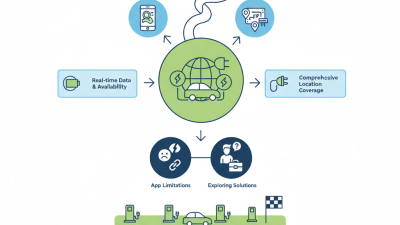
Charging solutions will become more user-friendly. Applications that locate nearby chargers will enhance convenience. Yet, challenges remain. Users may face compatibility issues across different EV models. Standardization is necessary to ensure seamless access. Ongoing research addresses these gaps, aiming for a unified approach to EV charging. Shaping the future of EV charging will require collaboration between technologists and policymakers.
2026 EV Charger Types and Their Adoption Rates
This chart illustrates the projected adoption rates of different EV charger types by 2026. It showcases the increasing preference for Type 2 sockets as electric vehicle infrastructure evolves.
Maximizing Efficiency: The Benefits of UES1 EV Charging Stations for Business Type 2 Installations
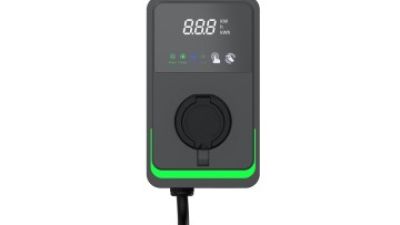
As businesses transition towards more sustainable practices, the integration of electric vehicle (EV) charging stations has become essential. The UES1 EV Charging Station for Business represents a high-performance solution that is tailored specifically for commercial environments. With its advanced Type 2 charging interface, it offers rapid and efficient charging, which is vital for keeping electric fleets operational and catering to business customers who demand quick turnaround times.
One of the standout features of the UES1 is its Mode 3 EV Charging capability, ensuring safety and compliance with industry standards. Additionally, the station is equipped with cutting-edge connectivity options including Ethernet, Wi-Fi, Bluetooth, and 4G, providing seamless integration with existing networks. The incorporation of OCPP1.6J and optional OCPP2.0.1 protocols facilitates a high degree of versatility and future-proofing, making it an ideal choice for businesses looking to adapt to evolving technology needs.
Moreover, the sleek glass screen and software-defined light codes enhance the user experience, providing clear visibility and functionality. This modern design not only appeals visually but also ensures that the charging process is efficient and user-friendly. By investing in the UES1 EV Charging Station, businesses can maximize their operational efficiency while contributing to a greener future, ultimately attracting more clients who prioritize sustainability.
FAQS
AC chargers deliver power at different speeds, depending on the power source.
If charging infrequently or at home overnight, an AC charger may be sufficient.
The Iec 62196 Type 2 Socket is a common standard for both AC and DC charging.
Ensure no moisture or extreme temperatures affect installation, as safety is vital.
Regular checks can prevent potential hazards from wear, such as frayed cables or loose connections.
Advancements include ultra-fast chargers that can deliver 80% charge in just 20 minutes.
More charging stations will be needed, but grid capacity must be considered to meet demand.
Users may face issues with different EV models, highlighting the need for standardization.
It adjusts charging rates based on grid conditions, promoting efficiency and reliability.
Conclusion
The article "2026 How to Choose the Right EV Charger Type 2 Socket?" provides a comprehensive guide to understanding the nuances of EV charger type 2 sockets and their importance in enhancing the electric vehicle charging experience. It explains the various socket types and standards, emphasizing the significance of the type 2 socket due to its compatibility and widespread use across electric vehicles. Key features such as power levels and the differences between AC and DC charging options are analyzed to help users understand charging speeds and efficiency.
Additionally, the article discusses the installation requirements for type 2 EV chargers and outlines essential safety standards and guidelines to ensure safe usage. It also touches on future trends in EV charger technology and infrastructure, hinting at advancements that will enhance the charging experience. Overall, this guide serves as a valuable resource for electric vehicle owners looking to make informed decisions regarding EV charger type 2 sockets.
 Contact Us