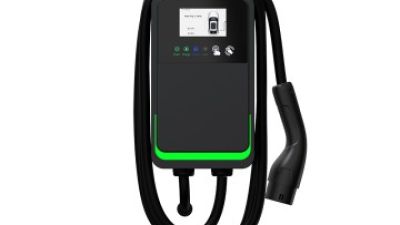
With the global push towards electric vehicles (EVs), having a reliable Household Electric Car Charger is more important than ever. Industry experts like John DeLuca, who’s pretty well-known in the EV charging scene, point out that "the right charger can really make a difference in your overall EV experience." The thing is, with so many options out there nowadays, figuring out which charger suits your home can feel pretty overwhelming.
As everyone’s jumping on the eco-friendly transportation train, you want a charger that isn’t just efficient but also easy to use. Some chargers can juice up your car super fast, while others are more about simple installation. Each type has its pros and cons. For example, Level 2 chargers tend to be quicker, but they often require professional help to set up. So, it’s kind of a balancing act between speed and convenience, which can leave buyers scratching their heads.
At the end of the day, picking the right Household Electric Car Charger really matters. It’s not just about what works best technically but also about something that fits your daily routine and makes your EV experience better. Taking the time to understand what each option offers can lead to smarter, longer-lasting decisions — and a happier, more hassle-free charging experience in the long run.
Overview of Household Electric Car Chargers
Household electric car chargers are essential for modern electric vehicle owners. They serve as convenient charging solutions in the comfort of home. With a growing number of electric cars on the road, understanding the differences between charger types is crucial. Basic Level 1 chargers use standard home outlets, making them accessible. However, they are slower compared to Level 2 chargers. Many buyers prefer Level 2 for faster charging times.
When selecting a charger, consider the power requirements. A charger with higher voltage can significantly reduce charging time. It’s also vital to assess installation needs. Some households may require professional assistance for proper setup. This ensures safety and compliance with local codes.
Tips: Regularly check the condition of your electric car charger. Look for any signs of wear and tear. Ensure that cables and plugs are in good shape. It is important to maintain the charger for optimal performance. Additionally, think about the placement. A strategically located Car Charger For Electric Car can enhance usability and efficiency. Evaluate the charging needs based on your driving habits. You don’t want to experience unexpected delays.
Types of Electric Car Chargers for Home Use
When considering home charging solutions, understanding the types of Electric Car Chargers is essential. There are generally three levels of chargers. Level 1 chargers utilize a standard household outlet and are convenient. However, they offer slower charging speeds, taking up to 24 hours for a full charge. This option suits occasional users or those with limited driving range.
Level 2 chargers are more efficient. They require a dedicated 240-volt outlet and can charge an electric car in just 4 to 8 hours. According to the U.S. Department of Energy, they are the most popular choice among EV owners. These chargers are ideal for daily drivers, providing flexibility and convenience. However, installation can be costly, sometimes exceeding $2,000, depending on electrical upgrades.
Level 3, or DC fast chargers, offer rapid charging but are mainly found in public spaces. They can charge an EV to about 80% in 30 minutes. However, their high costs and installation complexity make them less practical for home use. Each option has pros and cons, making it crucial for buyers to reflect on their driving habits and electrical infrastructure.
Top Household Electric Car Charger Options for Global Buyers
| Charger Type |
Power Output (kW) |
Charging Time (hours) |
Installation Complexity |
Cost Range (USD) |
| Level 1 Charger |
1.4 - 1.9 |
8 - 20 |
Easy |
300 - 600 |
| Level 2 Charger |
3.7 - 22 |
4 - 8 |
Moderate |
600 - 1,500 |
| DC Fast Charger |
25 - 350 |
0.5 - 2 |
Hard |
10,000 - 40,000 |
| Smart Charger |
3.7 - 22 |
4 - 8 |
Moderate |
700 - 2,000 |
Factors to Consider When Choosing a Charger
Choosing the right home electric car charger involves understanding several key factors. First, consider the charging speed. Chargers vary significantly in this regard. Some offer Level 1 charging, suitable for overnight use, while others provide Level 2, delivering a faster charge. This can reduce downtime, especially for those with busy schedules. Assess your daily driving habits to determine which speed aligns with your needs.
Another crucial factor is compatibility. Ensure the charger fits your electric vehicle (EV). Different EVs have unique requirements regarding connector types. Consulting your vehicle's manual can provide clarity. Additionally, look for features such as smart charging capabilities. These can help you optimize charging times and monitor energy consumption, making it easier to act on your energy usage.
Cost is also a vital consideration. While some chargers may have a lower upfront cost, think about long-term expenses. Installation fees can be high depending on your home's electrical system. It's also worth noting that not all chargers qualify for tax incentives or rebates. Assessing these factors holistically requires thoughtful reflection. It is important to weigh every aspect carefully to ensure the best choice for your lifestyle and budget.
Top Brands for Household Electric Car Chargers
When considering electric car chargers for home use, several brands stand out for their reliability and features. Many people seek chargers that offer both speed and safety. A proper
Electric Car Charger Plug
can dramatically reduce charging time and increase efficiency. Some modern chargers even provide smart features, allowing users to monitor and control charging from mobile devices.
Choosing the right charger is essential. Compare charging speeds and ensure compatibility with your vehicle. It's also wise to check installation requirements. Certain chargers may need professional installation, while others allow straightforward DIY setups. Additionally, consider your power supply; some homes may require electrical upgrades for optimal performance.
Pay attention to warranty offers and customer service ratings, as these reflect a brand's commitment to quality. Research user reviews to gauge real-world performance. An Electric Car Charger Plug is an investment, and investing in a reputable brand can enhance the charging experience. Some less popular options may save money but could lead to long-term frustrations with slower charging and poorer reliability.
Features of High-Quality Electric Car Chargers
When considering electric car chargers for your home, certain features stand out. High-quality chargers often offer adjustable charging speeds. This flexibility suits varying power requirements and ensures efficient charging. Ensure the charger has multiple current options to accommodate different vehicle types. Look for models with smart capabilities. These chargers can connect to mobile apps for remote monitoring and control.
Durability is crucial. A reliable charger should withstand diverse weather conditions. Check for weatherproof ratings to ensure it lasts over time. User-friendly design is equally important. A straightforward installation process and clear instructions help even novice users.
When making your choice, consider your available electrical capacity. It’s essential to know your home's electrical system before purchasing. Additionally, think about the length of the charging cable; a longer cable can improve flexibility in placement. Researching local installation requirements can save future hassles. Charging efficiency can vary; not all chargers deliver the same results. Some devices may be more prone to overheating or malfunctions. Reflect on your usage patterns; this consideration can guide a more informed decision.
Installation Process and Requirements for Home Chargers
The installation process for home electric car chargers requires careful planning and adherence to local guidelines. Homeowners often overlook the importance of an electrical assessment, which is crucial before installation. According to industry studies, up to 30% of potential buyers face delays due to inadequate home electrical systems. Ensuring your home's electrical capacity meets the demands of a charger is fundamental to avoid safety hazards.
The installation typically involves securing a suitable location, which should be accessible and preferably close to your electric meter. Local regulations may dictate the necessary permits, which can affect the timeline and cost of the installation. It's vital to seek a certified electrician who understands local codes to ensure compliance. Many owners underestimate the costs, with data suggesting the average installation expense ranges from $500 to $2,000, depending on the complexity and required upgrades.
Reflecting on the installation experience, many homeowners have reported challenges like unexpected costs or lengthy permit processes. Such hurdles often lead to frustration and delays in using their electric vehicles. Proper research and preparation could alleviate these issues. Understanding that installation may be a significant undertaking, the importance of planning cannot be overstated, as it ultimately enhances the convenience of owning an electric vehicle.
Cost Analysis of Electric Car Charging Solutions
The cost of electricity for charging electric vehicles can vary significantly based on location and charging method. According to a recent industry report, residential charging typically costs between $0.10 to $0.30 per kilowatt-hour (kWh). This means a full charge for a standard electric vehicle with a 60 kWh battery could range from $6 to $18. This expense can be higher when using public charging stations, where fees might reach up to $0.80 per kWh.
Home charging options, including the Outdoor Electric Car Charger, offer varying initial price points. While basic chargers can come in under $500, higher-end models may exceed $1,200. Potential buyers should consider installation costs as well, which can average around $1,000. Installation complexity can dramatically affect the overall price. An electrician's assessment is crucial for understanding the infrastructure needed.
In terms of long-term cost analysis, many studies indicate the overall savings on fuel and maintenance compared to traditional vehicles. A report from the International Energy Agency highlights that electric vehicles can save owners approximately $1,000 annually on average. However, this calculation does not factor in potential extra costs from home energy upgrades or changes in electricity pricing. Supporting customers in evaluating their situations is key, as not all options create significant savings.
The Future of Electric Vehicle Charging: Exploring the Features and Benefits of the UE2 Intelligent 22kw Mode 3 EV Charger
As electric vehicle (EV) adoption accelerates, the demand for efficient charging solutions has become paramount. The UE2 Intelligent 22kW Mode 3 EV Charger stands out in this evolving landscape, offering robust features that cater to both commercial and residential users. Its emphasis on safety and efficiency is particularly noteworthy, as it integrates advanced relay arc protection technology. This innovation actively detects and counters dangerous arcs that may arise when disconnecting the charging cable, significantly enhancing user safety.
Research indicates that fast charging technology is a critical component for sustaining the growing EV market. With charging speeds reaching up to 22kW, the UE2 charger transforms the way drivers can power their vehicles, reducing downtime and making electric mobility more convenient. Industry reports suggest that the global EV charging infrastructure market is expected to expand at a compound annual growth rate (CAGR) of over 30% from 2023 to 2030, reflecting the urgent need for reliable and efficient charging solutions.
Furthermore, the flexibility offered by the 11kW and 22kW charging options allows businesses and individuals to choose the best fit for their energy requirements. This adaptability is aligned with the increasing focus on sustainable energy consumption, as stakeholders strive to integrate renewable energy sources into the EV charging ecosystem. By prioritizing comprehensive safety features and operational efficiency, the UE2 charger represents a significant step towards a healthier and more sustainable future in electric vehicle charging.
FAQS
: They are essential tools for charging electric vehicles at home.
Level 1 uses standard home outlets, while Level 2 charges faster but needs specific installation.
Consider your daily driving habits and the required charging speed.
Different EVs have specific connector types that must match the charger.
Installation costs can range from $500 to $2,000, depending on various factors.
Regularly check for wear and ensure cables and plugs are in good shape.
It ensures your home's system can handle the charger, avoiding potential hazards.
Delays due to permits or unexpected costs can be frustrating for many homeowners.
Yes, they can help optimize charging times and monitor energy usage.
Place it strategically, ideally close to the electric meter for easy access.
Conclusion
When considering a Household Electric Car Charger, it's essential to understand the various types available for home use, including Level 1 and Level 2 chargers. Different factors, such as charging speed, installation space, and vehicle compatibility, play a crucial role in selecting the right charger for individual needs. High-quality electric car chargers often include features like smart charging capabilities, safety certifications, and user-friendly interfaces.
In addition to understanding charger options, potential buyers should be aware of the installation process and associated requirements, which can vary based on the home’s electrical system. A thorough cost analysis of electric car charging solutions will help in evaluating long-term savings and return on investment. By carefully considering these elements, global buyers can make informed decisions when choosing a Household Electric Car Charger that best fits their lifestyle and vehicle requirements.
 Contact Us