Contact Us

Picking an EV charging station manufacturer isn’t just about who has the lowest price anymore. It’s really an infrastructure call—one that touches on uptime, safety, software, maintenance, and what energy will cost you over the long run. For some context, the IEA’s Global EV Outlook 2024 put the number of public charging points worldwide at more than four million by the end of 2023, with over 1.3 million new ones added that year alone. Yeah, the market is moving fast.
Fatih Birol, who heads the International Energy Agency, put it pretty simply: electric cars are becoming a reality for more and more consumers. But there's a practical side to that, too. As more EVs hit the road, we need chargers that can hold up in rain and heat, during rush hour, and through software updates. If you're buying, don't just look at the glossy brochure—check real-world experience, certification records, whether the network actually works with your car, warranty terms, and how fast service responds. A nice brochure only gets you so far.
The Alternative Fuels Data Center over at the U.S. Department of Energy also makes a good point—it shows why it's important to keep an eye on connector growth and charging access in real-world settings. For fleet operators, honestly, the commercial electric car charging station manufacturers you go with really need to support load balancing, payment integration, remote diagnostics, and some room for future expansion. Residential projects, though? They usually end up with a different set of priorities. Look, a compact charger might be just fine for a private garage. But a logistics depot? That's a different beast, you'll want sturdy hardware and smart power management. This guide walks through ten practical tips for comparing suppliers, though honestly, the perfect choice is pretty rare. Data isn't always complete, and vendor promises? They can go stale fast. So it's worth paying close attention to independent testing, customer references, and solid performance records. In the end, go with evidence, not hype.
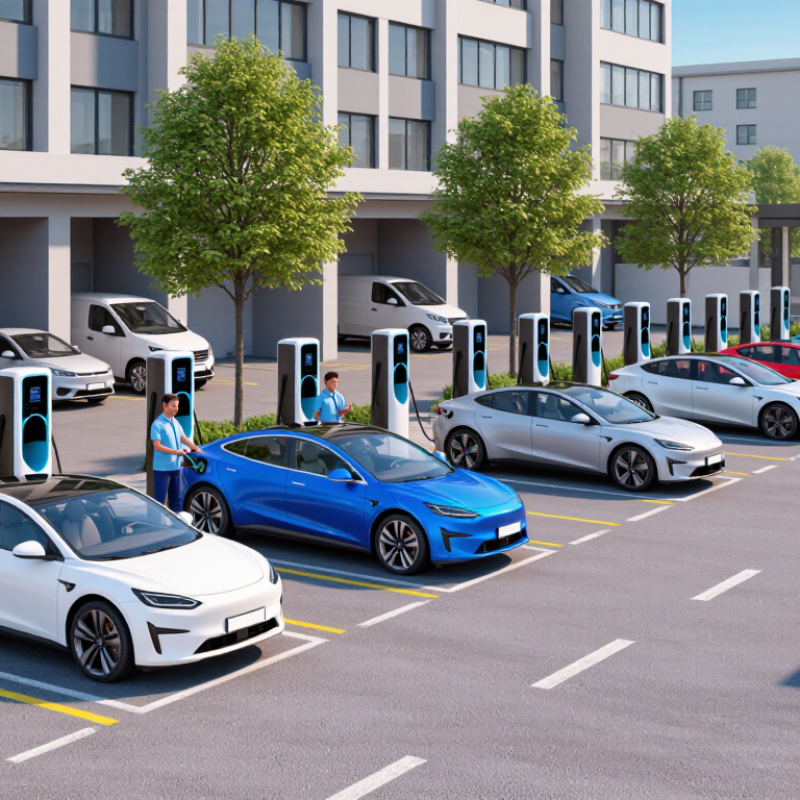
Choosing electric car charging station manufacturers starts with defining your project clearly. A vague scope can create expensive changes later. I have seen projects fail because vehicle demand was estimated from guesswork. Begin with the location, charger quantity, parking layout, and expected daily traffic. Record available electrical capacity, cable distances, weather exposure, and access limits. Then estimate charging sessions during peak hours. Do not guess.
Your requirements should match real drivers, not attractive specifications. Decide whether drivers need overnight charging, rapid daytime charging, or both. Define connector compatibility, payment methods, network functions, load management, and remote monitoring. Ask manufacturers for installation drawings, safety certifications, test records, and service response times. Confirm warranty coverage and replacement procedures before signing. Small details matter.
Project scope should also include civil work, permits, trenching, signage, software integration, commissioning, and staff training. Request a complete cost breakdown, including future maintenance. A site survey can reveal weak pavement, poor drainage, or an undersized electrical panel. I once underestimated cable routing, and the correction delayed installation. That mistake changed my planning process. Build room for expansion, but avoid paying for unused capacity. A small pilot may expose user behavior and technical gaps before full deployment. Reliable manufacturers will discuss these limitations openly, rather than promising effortless performance.
This planning chart compares representative rated power levels used in common AC and DC charging projects. AC chargers are typically suited to workplaces, homes, hotels, and long-dwell locations, while higher-power DC chargers are designed for shorter stops and higher site capacity requirements. Actual charging speed depends on the vehicle, electrical supply, installation design, and operating conditions.
Tip 1: Check how long the manufacturer has built electric vehicle charging equipment. Experience often appears in practical details, not polished brochures. Ask about installations in hot, cold, wet, and dusty environments. Request maintenance records, failure rates, and customer references from similar projects. A reliable manufacturer can explain past problems without hiding them.
Tip 2: Examine product reliability through measurable evidence. Review safety certifications, ingress protection ratings, charging efficiency, cable durability, and software update procedures. Ask how the equipment responds to power surges, communication failures, and repeated daily use. Factory testing matters, but independent testing offers stronger confidence. Some suppliers provide impressive specifications while offering weak after-sales support. That gap deserves attention.
Tip 3: Test the manufacturer’s technical support before signing a contract. Send specific questions about installation, fault codes, spare parts, and response times. Notice whether engineers answer clearly or rely on vague promises. A dependable supplier provides installation manuals, training, warranty terms, and accessible service channels. Check replacement part availability in your region. Delays can leave a charging station idle for weeks.
Site visits can reveal more than presentations. Look at cable storage, connector wear, screen visibility, and weather protection. Speak with operators who use the equipment every day. Their complaints may be more useful than formal reviews. No product is perfect, and I would question any supplier claiming zero failures. Honest reporting, documented improvements, and consistent support usually indicate mature manufacturing experience.
Choosing Electric Car Charging Stations Manufacturers requires more than comparing advertised charging speed. Start by checking the charging standards supported by your vehicles and local grid. AC Level 2 stations commonly suit workplaces, apartments, and overnight parking. DC fast chargers fit highway stops, but they demand stronger electrical infrastructure. Connector shape, communication protocol, and regional certification also affect daily usability. A cheaper station is not useful if drivers need extra adapters.
Power ratings deserve careful reading. A station marked at 22 kW may deliver less when the vehicle accepts only 11 kW. DC output can also fall as the battery fills or several chargers share one cabinet. Ask manufacturers for continuous output, input voltage, maximum current, and load-management details. Request test records, installation requirements, and maintenance response times. Technical documents should be clear enough for an electrician to verify.
Compatibility includes software and future vehicles. Check whether the station supports open communication protocols, remote diagnostics, user authentication, and firmware updates. Observe how the connector rests in cold or wet conditions. Small design details matter. During a site review, measure cable reach from the parking bay, not from the brochure illustration. I have seen plans fail because one parking space blocked another. That mistake is easy to prevent, yet often overlooked. Compare real operating data from similar climates and traffic levels. Claims still need evidence.
Choosing among Commercial Ev Charging Station Manufacturers requires more than comparing charging speed and prices. Safety features should be examined in real operating conditions, not only listed in sales materials. Ask for evidence.
Check for residual current protection, overvoltage control, short-circuit protection, thermal monitoring, and emergency shutdown functions. Cable temperature sensors are especially useful during summer charging sessions. A damaged connector should trigger a clear fault notification and stop power safely.
Certification documents must match the exact charger model and configuration. Look for recognized electrical safety certifications, electromagnetic compatibility testing, ingress protection ratings, and relevant energy-efficiency records. Verify the issuing laboratory and confirm that certificates remain valid. Look beyond brochures.
Regulatory compliance also depends on installation location. Requirements may cover grid connection, accessibility, electrical wiring, payment systems, data protection, and construction permits. A manufacturer should provide test reports, installation guidance, maintenance procedures, and firmware update records. These documents reveal whether the company understands long-term operation.
During a site review, inspect grounding points, enclosure seals, warning labels, and cable strain relief. Small details matter. Speak with engineers who can explain failure handling without vague promises. I would also request references from comparable commercial sites. However, references can be selective, so they should not replace independent verification.
One imperfect lesson is easy to miss: a certified charger can still perform poorly when installed incorrectly. Confirm that the manufacturer supports installer training, commissioning tests, and periodic inspections. Reliable suppliers welcome technical questions and clearly admit product limitations. That honesty often says more than polished specifications.
Choosing an electric car charging station manufacturer requires more than checking hardware specifications. Software determines how clearly operators see each charger’s condition, usage, and revenue. During site evaluations, I examine the dashboard on a normal laptop and a mobile phone. It should show failed sessions, energy consumption, and connector availability without confusing menus.
Test it live. Ask whether the platform supports stable cellular, Wi-Fi, or Ethernet connections. A charger may work perfectly in a showroom but fail beside a concrete parking structure. Confirm remote diagnostics, automatic alerts, firmware updates, and open data access. When comparing Rfid Ev Charger Manufacturers, check whether RFID authorization records appear quickly and accurately. Request API documentation before signing a contract. Vague answers often create expensive integration work later.
Ongoing maintenance deserves equal attention. Ask for response times, spare-part storage, technician coverage, and clear service-level commitments. A reliable provider should explain what happens after a charger stops at 2 a.m. It should also provide maintenance reports with timestamps, fault codes, and repair actions. Downtime is expensive. I have seen attractive systems become difficult to manage because support depended on one specialist. That weakness is easy to overlook. Request a trial period, review the escalation process, and speak with current operators if possible. No platform is flawless, but transparent limitations are more trustworthy than perfect promises.
| # | Evaluation Area | Recommended Benchmark | How to Verify It | Weight | Warning Signs |
|---|---|---|---|---|---|
| 1 | Software and Platform Capability | Select a platform that supports remote configuration, charger grouping, user permissions, tariff management, session monitoring, and downloadable operational reports. | Request a live demonstration and confirm that administrators can manage firmware, pricing, users, and charging sessions from a browser-based dashboard. | 15% | Core functions depend on manual local access or require separate software products with no unified dashboard. |
| 2 | Open Communication Protocols | Prefer support for OCPP 1.6J and, where long-term scalability is important, OCPP 2.0.1. The system should document supported profiles and functions. | Review the official protocol conformance information and test the charger with an independent or alternative charge-point management system. | 12% | The manufacturer uses a proprietary connection, restricts backend selection, or cannot explain which OCPP features are implemented. |
| 3 | Connectivity and Network Resilience | Support Ethernet and cellular connectivity where appropriate, with secure remote access, automatic reconnection, and local transaction handling during temporary network outages. | Review network architecture, supported cellular bands, SIM responsibilities, firewall requirements, and behavior during a controlled internet interruption. | 10% | Charging stops whenever the backend is unavailable, or the solution depends on one unverified cellular network. |
| 4 | Cybersecurity and Data Protection | Look for encrypted communications, role-based access, strong authentication, secure firmware updates, vulnerability handling, and clearly defined data-retention practices. | Request security documentation, incident-response procedures, penetration-test summaries, access-control details, and the applicable privacy compliance statement. | 10% | Shared administrator accounts, unencrypted management access, unsupported software versions, or unclear ownership of charging and driver data. |
| 5 | Hardware Compatibility and Standards | Confirm compatibility with the required connector types, electrical supply, protection systems, meter requirements, and applicable regional safety certifications. | Compare the technical datasheet with the site electrical design and request certificates from recognized testing or certification bodies. | 10% | The quoted equipment lacks required certification, has undocumented connector options, or needs costly site modifications not included in the proposal. |
| 6 | Energy Management and Load Balancing | For multi-port sites, prioritize dynamic load management, scheduled charging, power sharing, demand-limit controls, and integration with on-site solar or storage when needed. | Ask for a site-specific load calculation and test whether the system can keep total demand within a defined electrical capacity. | 10% | Each charger is treated as an independent load, increasing the possibility of breaker trips, expensive upgrades, or demand-charge exposure. |
| 7 | Reliability and Availability | Establish a written service-level target, commonly at least 98% operational availability for managed public or workplace charging, with exclusions clearly defined. | Request anonymized performance data from comparable deployments and define how uptime, partial failures, planned maintenance, and communication outages are measured. | 12% | Availability is advertised without a measurement method, reporting period, service credits, or distinction between charger and network uptime. |
| 8 | Preventive and Corrective Maintenance | The service plan should include inspection schedules, firmware management, remote diagnostics, spare-parts procedures, and documented corrective-maintenance workflows. | Review the maintenance schedule, sample service reports, parts list, escalation process, and responsibilities between the manufacturer, installer, and site owner. | 10% | Maintenance begins only after a failure, replacement parts have no stated lead time, or no party accepts responsibility for field service. |
| 9 | Technical Support and Response Times | Require a documented support channel with severity levels, response targets, remote troubleshooting, and escalation to engineering specialists for recurring faults. | Check the proposed SLA for critical outage response, target restoration time, support hours, language coverage, and after-hours emergency procedures. | 6% | Support is available only through general sales contacts, response times are informal, or critical outages have no escalation path. |
| 10 | Lifecycle Cost and Scalability | Evaluate total cost over the expected service life, including hardware, installation, software subscriptions, connectivity, payment processing, maintenance, upgrades, and decommissioning. | Request a five-year total-cost-of-ownership model and confirm whether additional chargers, sites, users, tariffs, and third-party integrations can be added without replacing the platform. | 5% | The initial equipment price is low but recurring software, connectivity, transaction, or mandatory service fees are not disclosed. |
Choosing an electric car charging station manufacturer requires more than comparing purchase prices. The IEA’s Global EV Outlook 2024 reported over 14 million electric cars sold worldwide in 2023. That growth increases pressure on charging uptime, service response, and equipment durability. A low quote may exclude installation, payment software, network fees, spare parts, or local electrical upgrades. Request a five-year total cost of ownership model. Check energy efficiency, remote diagnostics, replacement-part pricing, and expected maintenance hours.
Tip 1: Compare warranty terms line by line. Confirm coverage for connectors, screens, cables, power modules, and software. A three-year warranty sounds useful, but labor exclusions can create expensive surprises. Ask who pays freight and onsite repairs. Also check response times for critical failures. The U.S. Department of Energy highlights reliability and accessibility as important factors in public charging deployment. A charger that remains offline loses revenue and user trust.
Tip 2: Measure long-term business value, not only charging speed. Ask manufacturers for documented uptime data, cybersecurity procedures, training records, and references from similar climates. For buyers researching Ev Manufacturers Usa, local technicians and compatible electrical standards may reduce downtime. Warranty language still needs careful review. It is easy to overvalue impressive specifications. A slower unit with strong service support may perform better over five years. Forecasts can be wrong, including mine, so test assumptions using conservative utilization and electricity-cost scenarios.
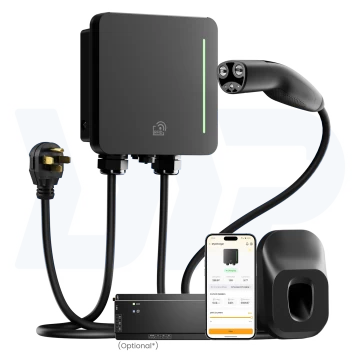
A smart Level 2 NACS home EV charger is designed for convenient, high-performance residential charging across the North American market. Delivering up to 11.5 kW at 48A and 240V, it can provide faster overnight charging through a durable 25-foot cable. The SAE J3400 connector supports many modern electric vehicles, while the shared hardware platform can also accommodate J1772 configurations. A 40A NEMA 14-50 plug offers flexible installation, and a 48A hardwired option is available for homes requiring maximum output.
Built for dependable daily use, the charger features IP66 protection against dust and water and an IK08 impact rating. Integrated electrical safeguards, connector temperature monitoring, and a clear status light bar help improve charging safety and usability. Mobile and cloud-based management functions enable users to monitor sessions, adjust charging settings, and receive equipment updates remotely. Optional energy-management capabilities can support solar-priority charging, dynamic load control, and power sharing between multiple chargers.
When selecting a supplier, buyers should evaluate connector compatibility, output options, cable length, certifications, warranty support, software reliability, and replacement-part availability. A capable supplier should also provide consistent manufacturing quality, responsive technical assistance, and customization options such as a streamlined front cover for private-label branding. These factors help ensure the charger is suitable for residential installations, fleet applications, and future EV charging needs.
Ask about installations in hot, cold, wet, and dusty environments. Request maintenance records, failure rates, and comparable customer references. Practical details matter more than polished brochures.
Review safety certifications, ingress protection ratings, charging efficiency, and cable durability. Ask about power surges, communication failures, and repeated daily use. Specifications alone are not enough.
Yes, independent testing can strengthen confidence in factory results. Confirm the report matches the exact charger model. I would question impressive claims without supporting documents.
Check residual current protection, overvoltage control, short-circuit protection, and thermal monitoring. Emergency shutdown should stop power safely. A damaged connector should create a clear fault notification.
Match each certificate to the exact model and configuration. Check the issuing laboratory and validity period. Brochures can look convincing, but documents deserve closer inspection.
Look for installation manuals, training, warranty terms, and accessible service channels. Test support before signing by asking about fault codes and response times. Vague answers are a warning.
Site visits reveal cable storage, connector wear, screen visibility, enclosure seals, and weather protection. Speak with daily operators. Their complaints may expose problems formal reviews miss.
Confirm replacement parts are available in your region. Ask for typical repair timelines and escalation procedures. A station may remain idle for weeks after a small failure.
Yes, incorrect installation can reduce safety and performance. Confirm installer training, commissioning tests, grounding checks, and periodic inspections. Certification is valuable, but it is not magic.
A dependable supplier explains past failures and documented improvements honestly. No charger is perfect. Claims of zero failures deserve careful questioning.
Choosing the right electric car charging station manufacturers requires a clear understanding of your project goals, site conditions, expected traffic, and future expansion plans. Begin by defining the required charging speed, connector types, installation environment, user capacity, and management needs. Then assess each manufacturer’s industry experience, product reliability, testing procedures, and ability to provide equipment that matches your operational requirements. Compare charging standards, power ratings, vehicle compatibility, and scalability to ensure the solution remains useful as electric vehicle adoption grows.
Safety and compliance should also be central to the selection process. Review certifications, protective features, installation guidance, and adherence to applicable regulations. Evaluate software functions such as remote monitoring, payment management, reporting, updates, and system integration, as well as the availability of technical support and maintenance services. Finally, compare total costs rather than focusing only on the initial price. Warranty coverage, replacement policies, energy efficiency, service responsiveness, and long-term business value can significantly influence the success and reliability of your charging infrastructure.