China’s EV boom is really changing what commercial charging has to deliver these days. A business EV charging station isn’t just a row of chargers, you know—it’s an operating asset that’s expected to juggle fleets, employees, customers, and property managers all at once. If you're comparing manufacturers in China, the stuff that really matters is pretty practical. You want to know about charging power, connector options, how load management works, whether the software plays nice, what kind of installation support you can expect, and whether you can actually get replacement parts down the road.
BYD’s Wang Chuanfu once said electrification isn’t going to reverse itself. If that’s true—and I think it is—then charging infrastructure has to be held to an even higher standard, not a lower one. Sure, a charger can look great sitting in a showroom. But the real test? Whether it still works at a packed depot on a rainy Monday morning. So don’t just take the brochure at face value. Ask for test records, warranty terms, response times, and references from similar projects. And make sure you know exactly what’s included versus what costs extra—software, hardware, whatever.
Here’s a quick look at some of the top Chinese manufacturers worth knowing—and a few questions you should ask before putting anyone on your shortlist. Product range obviously matters, but so does export experience. And don’t underestimate the value of solid technical documentation and clear communication once the system’s installed. That’s where things can get tricky. A low purchase price can end up costing you more in integration, maintenance, or downtime, so it’s worth digging into the real cost, not just the sticker price. At the end of the day, no single supplier is going to be the perfect fit for every site. A logistics yard, an office car park, and a public charging station all have very different duty cycles and user needs. The comparisons below are a decent starting point, but don’t just take them at face value—go straight to the manufacturers and double-check the claims yourself.
Understanding China's Commercial EV Charging Station Manufacturing Sector
China’s commercial EV charging sector is shaped by dense supplier networks, rapid product development, and varied site needs. Manufacturers serve depots, shopping centers, office parks, and highway service areas. Their work extends beyond producing charging cabinets. Teams coordinate power modules, cooling, connectors, software, installation, and maintenance. A unit that performs well in a factory may behave differently in a dusty depot or during repeated peak-hour charging. That gap matters.
Tips: Compare performance under sustained load, not only headline power. Ask how technicians access filters, cables, and replaceable modules. Check commissioning records and spare-part lead times. Visit an operating site when possible. Paper specifications can miss details.
Buyers should assess manufacturing consistency, test procedures, and service capacity alongside price. Request evidence about thermal control, protection functions, and communication compatibility. Confirm project requirements with an electrical engineer. Supplier capabilities vary by product and site. It takes time. Early operating data may be limited, and forecasts can be optimistic. Track fault logs during initial deployments, then refine the specification before scaling.
How Commercial EV Charging Stations Are Classified
Commercial EV charging stations are classified by power, location, and operating purpose. For power, AC Level 2 units suit workplaces, hotels, and retail parking, where vehicles stay for hours. The U.S. Department of Energy’s Alternative Fuels Data Center lists Level 2 charging at roughly 2.9–19.2 kW. DC fast chargers, commonly rated 50–350 kW, fit highway stops and busy fleet depots. They deliver energy quickly, but require greater electrical capacity and careful site planning. The distinction matters.
Location adds another layer: destination chargers serve parked customers, workplace units support longer dwell times, and depot systems charge commercial fleets on schedules. Public corridor stations prioritize rapid turnover. The International Energy Agency’s Global EV Outlook 2024 reports that public fast-charging points grew by 55% in 2023, reflecting rising demand for shorter charging stops. Yet a high-power label alone does not make a station suitable. Grid limits, parking patterns, climate, and vehicle charging capability all affect performance. For an Electric Car Charging Station Business, classification should guide equipment selection, not replace a site assessment. I would not treat these categories as universal; regional standards and customer habits vary.
Key Technologies Used in Business EV Charging Equipment
Business EV charging equipment depends on more than high output. Power modules convert grid electricity into controlled charging current, while thermal sensors monitor heat inside the cabinet. In practical installations, technicians also check cable condition, ventilation, and connector temperature during routine service. Small details matter.
Dynamic load management is especially useful at depots with several vehicles charging at once. It shares available power across chargers and can reduce demand peaks, though performance depends on accurate site data. Communication protocols let chargers exchange status with management software, while remote monitoring can flag faults before a driver arrives. Metering and access controls help operators track energy use and manage billing in an Ev Charging Station Business. Cybersecurity deserves attention, too.
Protection systems are equally important. Ground-fault detection, insulation monitoring, and overcurrent protection help identify electrical problems and stop charging when needed. For high-power units, liquid cooling can manage heat, but it adds components that require inspection. No single configuration suits every site. A busy fleet depot, for example, may value uptime and simple maintenance more than maximum charging speed. That trade-off is easy to underestimate. Manufacturers and buyers should compare tested performance, service access, and clear technical documentation—not just headline power ratings.
Leading Chinese Manufacturers of Commercial EV Charging Stations
Chinese manufacturers of commercial EV charging stations serve projects ranging from retail car parks to logistics depots. Their equipment may include AC chargers for long stays and DC fast chargers for vehicles with tighter schedules. The right mix depends on daily traffic, available grid capacity, and how long vehicles remain parked. A large power rating looks impressive. It is not always the practical choice.
Experienced manufacturers typically support buyers with configurable power levels, connector options, and network-management features. For fleet operators, useful details include load balancing, clear status indicators, and service access that does not require dismantling a cabinet. Buyers should also ask how units perform in heat, rain, and dusty locations. Installation conditions can be less tidy than product brochures suggest. That matters.
For an Electric Charging Station Business, dependable supply and after-sales support can be as important as the charger itself. Ask for test records, warranty terms, spare-parts availability, and realistic lead times. Compare energy efficiency and maintenance needs, not just purchase price. A small pilot site can reveal awkward cable reach, confusing screens, or peak-load problems before a wider rollout. Those details are easy to overlook, and sometimes they are.
How to Compare Manufacturers, Products, and Service Capabilities
China Top Business EV Charging Station Manufacturers
Comparing business EV charging manufacturers takes more than checking maximum power. Ask for output under simultaneous charging, connector options, and compatibility with your site’s electrical capacity. Review independent test reports, warranty coverage, and clear records of safety and reliability testing. The IEA’s Global EV Outlook 2024 reports that public charging points grew by more than 40% in 2023, surpassing four million worldwide. China accounted for roughly 70% of global public charging points, making local deployment experience worth examining closely.
For each supplier, compare charging speed, uptime commitments, remote diagnostics, and spare-parts availability. Request references from sites with similar traffic, such as fleet depots or retail car parks. Ask how service teams handle faults after business hours, and request typical repair times. A polished specification sheet is useful, but it cannot prove field performance. Even experienced buyers can overlook installation coordination; it deserves a direct question. Check whether software reports energy use, session failures, and station status in a format your operations team can actually use.
Tips: Ask for a sample service report and a maintenance schedule. Check the small details: who answers the call, which parts are stocked locally, and how updates are tested. One weak point can still spoil an otherwise solid proposal.
China Top Business EV Charging Station Manufacturers: Comparing Products and Capabilities
Representative EV Charger Power Ratings
These ratings illustrate common charger product offerings, not a comparison of individual manufacturers. When evaluating suppliers, compare rated output alongside connector compatibility, certifications, warranty, uptime support, and service coverage. Actual charging power depends on the vehicle and installation.
Selecting a Manufacturer for Different Commercial Charging Applications
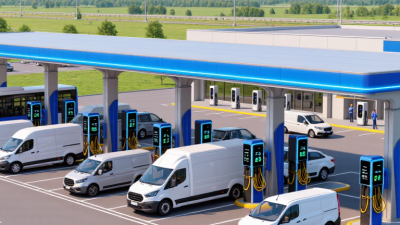
Selecting a manufacturer for commercial charging means matching equipment to the way a site actually operates. A delivery depot may need several high-power units working through short overnight windows. A hotel or workplace often benefits more from steady AC charging, clear user instructions, and simple access management. For public parking, durability and payment options matter, but so does keeping stalls available during busy periods. Details matter.
Ask manufacturers for load data, installation requirements, warranty terms, and a realistic service plan. Compare connector options and charging speeds against the vehicles your customers or fleet use today. A polished specification sheet is useful, but it cannot prove how quickly a fault will be handled. Request references for similar projects, and check whether replacement parts and technical support are available locally. Site conditions can change the economics: a limited electrical supply may require staged installation or load management.
For a Car Charging Station Business, look beyond the purchase price. Consider software fees, maintenance access, and the time needed to restore a unit after failure. A compact charger might suit a small parking area, while a busy fleet yard needs equipment designed for repeated daily use. No manufacturer is perfect for every application. Ask what the equipment cannot do, then compare that answer with your operating needs.
A Practical Guide to China DEF 40 CCS2 DC Fast Chargers for Reliable EV Charging
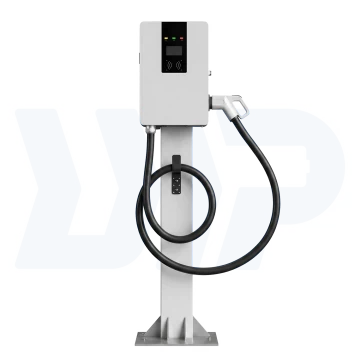
A reliable DC fast-charging site starts with matching charger capacity to vehicle dwell time and expected demand. The International Energy Agency’s *Global EV Outlook 2024* reports that public charging points worldwide grew by around 40% in 2023, while public fast-charger numbers rose by 55%. For operators in China serving CCS2-equipped vehicles, a compact 20 kW, 30 kW, or 40 kW charger can support installations in car parks, retail sites, hotels, offices, and fleet depots. Its 100–1000 V DC output accommodates a broad range of vehicle battery systems, including newer high-voltage models.
For dependable operation, connectivity, access control, and billing matter as much as output power. OCPP 1.6J, with 4G and Ethernet options, enables integration with charging-management platforms, while RFID, QR-code, and Plug & Play starts provide flexible ways to manage charging sessions. A built-in MID-certified energy meter supports accurate public billing. The IEA also notes that China accounted for approximately 85% of the world’s public fast-charging stock in 2023, underscoring the importance of scalable, well-managed charging infrastructure.
Designed for outdoor deployment, the unit’s IP54 and IK08 ratings and operating range of -30°C to +50°C help it handle varied site conditions. CE certification and EN/IEC 61851 compliance support European market requirements, making the charger suitable for operators planning deployments across different markets.
FAQS
They are grouped by power, location, and operating purpose. These labels guide equipment choices, but do not replace a site assessment.
Level 2 units typically provide about 2.9–19.2 kW. They suit workplaces, hotels, and retail parking where vehicles stay for hours. Slow, steady charging.
Chargers rated around 50–350 kW often suit highway stops and busy fleet depots. They need more electrical capacity and careful site planning.
No. Grid limits, parking patterns, climate, and vehicle capability all affect performance. A powerful unit may sit underused. Not always better.
AC charging can suit longer stays. Clear user instructions and simple access management also matter.
Several high-power units may help when vehicles have short overnight charging windows. Check electrical supply and consider load management. Details matter.
Request load data, installation needs, warranty terms, and a realistic service plan. Check references, local support, and replacement-part availability.
Consider software fees, maintenance access, and the time needed to restore a failed unit. A low purchase price may not tell the whole story.
Conclusion
China’s commercial EV charging sector is developing around the needs of workplaces, retail sites, fleet depots, public parking facilities, and other high-traffic locations. Business EV charging stations can be grouped by charging speed, power output, installation type, and intended use. Choosing the right equipment involves understanding how these categories affect charging time, site capacity, operating costs, and the number of vehicles a location can serve.
Reliable commercial charging equipment combines power management, communication features, user access controls, monitoring, and safety protections. When comparing manufacturers, buyers should assess product range, technical support, customization options, installation guidance, and long-term maintenance services—not just upfront price. The most suitable manufacturer depends on the application: a fleet depot may prioritize coordinated charging and uptime, while a workplace or retail site may value ease of use and flexible access. Careful planning helps match equipment and service capabilities to a site’s present needs and future growth.
 Contact Us