As electric vehicles (EVs) become more and more popular, it's really clear how important reliable Ev Charging Stations are turning out to be. In China, a bunch of companies are stepping up and leading the way when it comes to building solid charging infrastructure. This growth isn't just good for folks in China who drive EVs—it's also a big deal for international companies looking to tap into this booming market.
Names like State Grid Corporation and NIO stand out because they’ve built pretty extensive networks and come up with tech that makes charging easier and more convenient. They've got cutting-edge chargers and apps that help users navigate the charging process a lot smoother. But, let’s be honest, it's not all smooth sailing—sometimes, finding an open station isn’t easy, especially in busy spots, which can lead to long waits. And then there’s the whole mess of different connector types, which can really confuse people. This kind of inconsistency definitely holds back the growth of the EV market a bit.
That said, I wouldn’t get discouraged. The ongoing progress in China’s EV charging infrastructure actually opens up a lot of exciting opportunities. As these networks keep expanding and getting better, they’re going to be a key part of helping the world switch over to electric cars. For businesses eyeing this space, understanding the ins and outs of China’s EV charging landscape is super important—there’s a lot of potential if you get it right.
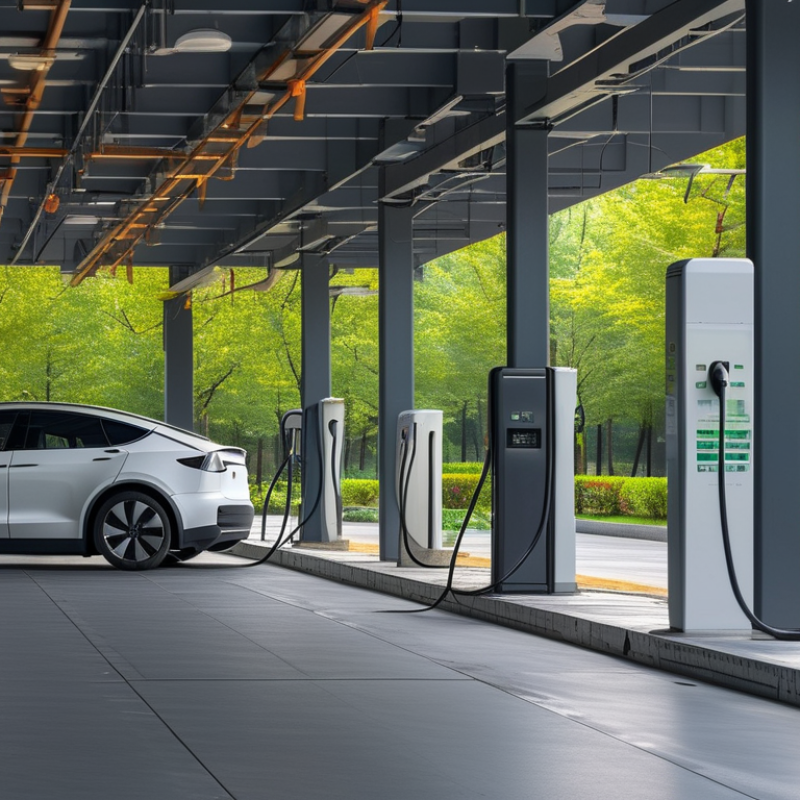
Overview of China's Electric Vehicle Charging Infrastructure
China’s electric vehicle charging infrastructure has seen rapid development. The number of charging stations has dramatically increased over the past few years. Innovations in technology have improved charging efficiency. The network now accommodates various charging standards and speeds. This diversity helps serve a large population of EV users.
Urban areas in China lead in charging station density. Many are strategically located near shopping centers and highways. However, lower-density regions still face challenges. Limited access to charging stations can hinder EV adoption in those areas.
While progress is commendable, there are concerns. Some charging stations have inconsistent service quality. Users report long wait times during peak hours. Maintenance issues can also arise, affecting availability. Addressing these concerns is essential for the industry’s growth. Without continuous improvements, the potential of the EV market may not be fully realized.
Key Players in the Chinese EV Charging Station Market
The rapid growth of electric vehicles (EVs) in China has sparked a robust market for charging stations. Several key players have emerged, contributing significantly to this transformation. These companies focus on innovation, accessibility, and user experience, setting standards for the industry. The demand for efficient charging solutions grows daily, attracting global attention.
The leading companies in this market have distinct strategies. They prioritize expanding infrastructure in urban areas. Their networks are designed to support the increasing number of EVs. However, challenges remain. Some areas still lack sufficient charging points. Additionally, the speed of charging varies widely. This inconsistency can frustrate users.
Moreover, collaboration is essential. Partnerships between manufacturers and local governments can enhance infrastructure development. Knowledge sharing among industry experts helps address technology gaps. Stakeholders must work to improve the reliability and efficiency of charging stations. Addressing these flaws will be crucial for sustaining growth in the sector.
Top EV Charging Station Brands in China for Global Consumers
As global interest in electric vehicles (EVs) surges, China's EV charging station landscape is crucial for international consumers. According to a recent report by the China Electric Vehicle Charging Infrastructure Promotion Alliance, the number of charging stations in China reached over 1.5 million by the end of 2022. This rapid expansion reflects both government support and a growing demand for sustainable transportation solutions.
Several prominent brands are leading the charge in this sector. They focus on efficiency and user experience, providing fast and convenient charging options. The charging capacity of these stations can vary, with some Commercial Electric Vehicle Charging Stations offering rapid charging capabilities that can fully charge an EV in under an hour. Despite this progress, there are challenges, such as uneven geographical distribution. Some urban areas are well-equipped, while rural regions often lack adequate stations.
The user interface and technology also play a significant role. Many stations are equipped with apps for locating chargers and verifying availability, enhancing the overall experience. However, not all charging networks share data effectively, leading to frustration for users. Statistics show that one in five EV users encounters charging issues regularly. Addressing these hurdles is vital for sustaining growth in the EV market, especially for brands targeting global consumers.
Top EV Charging Stations in China
Technological Innovations in Chinese EV Charging Solutions
China has emerged as a leader in electric vehicle (EV) charging technology, reflecting its rapid innovation in the sector. According to a 2023 report from the International Energy Agency, China accounted for over 80% of the world's public charging stations. These statistics highlight the country's commitment to sustainable transportation solutions. The rise of Business Ev Charging Stations is crucial for efficient charging networks.
Chinese technology firms are pushing boundaries with advancements in ultra-fast charging. Some stations can provide an 80% charge in just 15 minutes. This reduces downtime for EV drivers. The development of intelligent charging systems is also noteworthy. These systems can optimize energy usage based on grid demand and provide real-time data. However, challenges remain. Not all regions enjoy equal access to these advanced charging facilities. In rural areas, the infrastructure is still lacking.
Data from a recent market analysis indicates that the revenue from EV charging will exceed $30 billion by 2025 in China. Despite rapid growth, the tech is not without flaws. Reliability issues occasionally arise due to the high demand on the grid. Addressing these concerns will be essential for maintaining user trust. Overall, the technological innovations in Chinese EV charging solutions showcase a blend of promise and room for improvement.
Geographic Distribution of Charging Stations Across China
China's expansion of electric vehicle (EV) charging stations is significant for global buyers. Data shows that there are over 1.5 million public charging points across the country, reflecting a massive investment in EV infrastructure. Cities like Beijing, Shanghai, and Shenzhen are leading the charge, housing the majority of these stations. The geographic distribution highlights that coastal cities have the highest density, making it easier for EV owners in urban areas to find charging options.
However, the situation in rural areas is concerning. Many remote regions lack the necessary infrastructure, which can hinder EV adoption. The National Energy Administration reported that only about 20% of China's charging stations are located in less populated areas. This discrepancy indicates a significant gap, suggesting that while urban dwellers enjoy robust charging solutions, rural users face challenges. Investment in these underserved areas is crucial for a balanced EV ecosystem.
Moreover, data from various industry reports indicates that the growth rate of new charging stations is slowing. Despite high initial growth, there is a need for strategic planning to connect urban and rural regions effectively. Expansion efforts should not only focus on urban areas but also ensure access for all EV users across the country. This presents both an opportunity and a challenge for stakeholders in the EV market. Addressing these geographic disparities is key to fostering a sustainable future for electric vehicles in China.
Regulatory Environment Impacting EV Charging in China
The regulatory environment in China has a profound impact on the development of EV charging infrastructure. According to recent industry reports, the Chinese government aims to have 4.8 million charging points by 2025. This ambitious goal reflects a strong push toward electric vehicle adoption. However, the rapid growth is tempered by regulations that can vary by region, creating challenges for new entrants in the charging market.
Local authorities often have different requirements for setting up a Dc Charging Station. For instance, some regions prioritize installations at public transport hubs, while others focus on residential areas. This fragmented regulatory landscape can cause delays and increase costs for developers. Furthermore, as of 2022, only 30% of charging stations in China support fast charging. This slower deployment of advanced infrastructure may deter potential EV buyers, affecting overall adoption rates.
Despite the challenges, the investment potential remains significant. A recent study indicated that the EV charging market in China could reach $8 billion by 2025, driven by both private and public-sector spending. However, navigating the regulatory landscape requires careful planning and leveraging local expertise. Hence, future success for global buyers in China’s EV charging sector hinges on understanding these complexities and adapting to the evolving regulations.
Future Trends in China's EV Charging Station Development
The future of Electric Vehicle Charging Stations in China is promising and rapidly evolving. The government aims to meet the growing demand for electric vehicles by expanding its charging infrastructure. As cities grow, so does the need for more accessible charging options. Investing in technology will enable faster charging solutions, enhancing convenience for users.
One notable trend is the push for smart charging systems. These systems can optimize energy use and provide real-time feedback on charging status. Users appreciate features that allow them to monitor their vehicle’s charge remotely. This shift toward smarter technology reflects a broader commitment to sustainability and efficiency in the transportation sector.
Tips for potential buyers include researching charging station locations before purchasing an electric vehicle. Knowing where charging stations are can prevent range anxiety. Additionally, consider the type of charging connections available; compatibility is crucial. Understanding the local regulations regarding Electric Vehicle Charging Stations might also offer insights into the best options for your needs.
FAQS
: China accounts for over 80% of the world's public charging stations.
Some stations can provide an 80% charge in just 15 minutes.
Many rural areas lack the necessary charging infrastructure.
Only about 20% of China's charging stations are located in less populated areas.
Revenue from EV charging is projected to exceed $30 billion by 2025.
Intelligent charging systems optimize energy use based on grid demand.
Reliability issues may occur because of the increased demand on the grid.
Coastal cities like Beijing, Shanghai, and Shenzhen have the highest density of charging stations.
The growth rate of new charging stations is currently slowing down.
Investment in underserved rural areas is crucial for a balanced EV ecosystem.
Conclusion
China has rapidly developed a robust electric vehicle (EV) charging station infrastructure, positioning itself as a leader in the global EV market. The country features a diverse network of charging solutions, facilitated by key players who have established significant market share. The technological innovations in these EV charging stations enhance user experience and efficiency, making them appealing to both domestic and international consumers.
Geographically, the distribution of charging stations varies significantly across urban and rural areas, influencing accessibility for EV users. Additionally, the regulatory environment plays a pivotal role in shaping the development and expansion of charging infrastructure, driving future trends that prioritize sustainability and convenience. Overall, China's EV charging station landscape is evolving rapidly, presenting numerous opportunities for global buyers interested in navigating this dynamic market.
 Contact Us