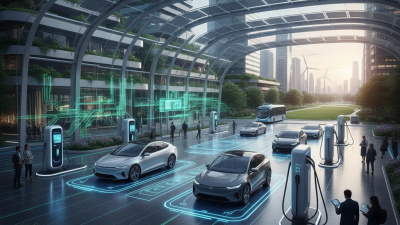
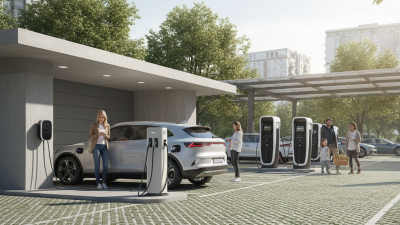
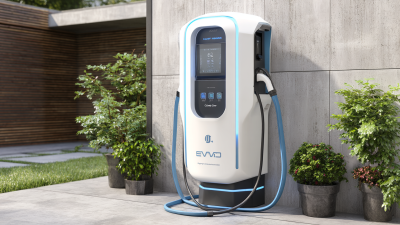
You know, with electric vehicles (EVs) really taking off in China, there's definitely been a jump in demand for better Commercial Charging Solutions. I mean, according to the International Energy Agency, China made up nearly 60% of all global EV sales back in 2022. That kind of rapid growth? It’s a huge opportunity, sure, but it also shakes things up for businesses trying to get their charging infrastructure in place.
Now, tons of companies are popping up in this space—think BYD, State Grid, and NIO, to name a few. Each one seems to bring its own twist, catering to different customer needs. But here’s the thing: jumping into this market isn’t exactly straightforward. Sometimes, buyers wind up with incomplete info or have a tough time figuring out which solutions are actually reliable and top quality.
As things keep evolving, it’s super important for global buyers to team up with trustworthy providers. Having accurate, up-to-date data really helps in making smarter decisions. And staying in the loop with the latest tech and standards? That’s pretty much essential. At the end of the day, finding the right Commercial Charging Solutions is all about balancing innovation with practicality—making sure you’re not just chasing the newest tech but also thinking about what actually works in the real world.
Overview of the Electric Vehicle Market in China
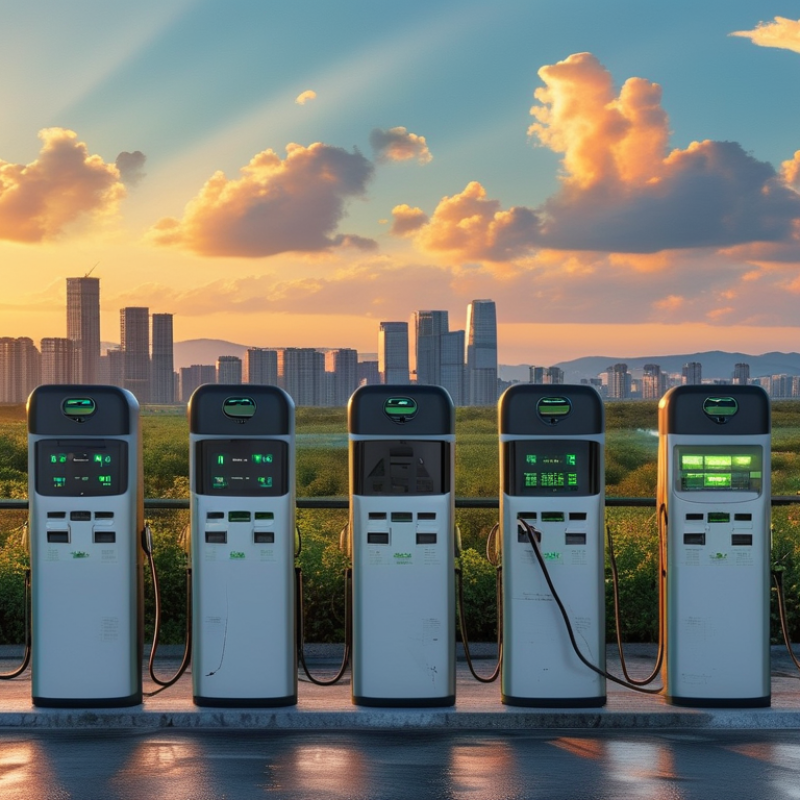
The electric vehicle (EV) market in China has seen rapid expansion. The country is now the largest EV market globally, driven by government policies and rising consumer demand. With over 6 million EVs sold in 2022 alone, establishing a robust charging network is crucial. This network includes various Commercial EV charging infrastructure solutions that cater to different needs.
Tips: When exploring charging solutions, consider local regulations and standards. Not all charging stations operate with the same technology. Also, accessibility and convenience are vital. A well-placed charging station can significantly enhance user experience and fuel adoption.
The surge in demand also raises concerns about charging speed and availability. Not every location offers fast charging options. Slow chargers can lead to long wait times, frustrating consumers. So, assessing the variety of Commercial EV charging infrastructure solutions available is essential. Some might offer faster, more reliable service than others.
Choosing the right charging solutions can be challenging. Market saturation may lead to confusion among buyers. Detailed research helps navigate these complexities. Prioritizing quality and coverage ensures that EV users have a satisfactory experience on the road.
Key Factors Driving the Adoption of Commercial Charging Solutions
The rapid expansion of electric vehicle (EV) adoption is driving the demand for commercial charging solutions in China. According to a recent report by the China Electric Vehicle Charging Infrastructure Promotion Alliance, the number of public charging stations rose to over 1.8 million by 2023. This growth is influenced by favorable government policies, increasing environmental concerns, and rising fuel costs. These factors create urgency for businesses to adopt robust charging solutions to support their fleet transitions.
Charging solutions must focus on efficiency. The average charging time affects vehicle availability and operational capacity. Research indicates that reducing charging time by even 10% can significantly enhance fleet productivity. Companies should also consider scalability in their solutions. As EV adoption rises, infrastructure needs to adapt accordingly.
Monitoring user experience is crucial for providers to pinpoint weaknesses. Feedback mechanisms are important for continuous improvement. Stakeholders should remain open to adapting technology and strategies based on real-world performance. Insights from the market show that customized charging solutions boost user satisfaction, leading to more widespread acceptance.
Gathering data to analyze charging behaviors can provide valuable insights. Understanding user patterns helps businesses refine their offerings. This ongoing analysis can drive innovation in the charging sector. Focus on flexibility and performance adjustment over time for sustained success.
Top Players in the Charging Infrastructure Sector
The charging infrastructure sector in China is rapidly evolving, attracting global attention. Recent reports indicate that the market size for electric vehicle charging stations could reach USD 12 billion by 2025, driven by government policies and increasing EV adoption. Major players are investing heavily in technology to enhance the efficiency of charging solutions. This includes advancements in fast-charging capabilities and smart grid integration.
In addition to technological innovation, reliability is crucial for consumers. Data shows that stations with consistent uptime see 30% more usage than those with frequent outages. Nonetheless, challenges persist. Infrastructure gaps in rural areas remain significant, limiting accessibility. Furthermore, some charging solutions still lack user-friendly interfaces, which can frustrate customers. These issues highlight the ongoing need for improvement in the sector.
Interestingly, sustainability is becoming a focal point. A study found that over 70% of potential buyers consider the environmental impact of charging solutions. Companies that prioritize eco-friendly practices are likely to appeal more to this growing segment. The industry's evolution clearly reflects a complex interplay between technology, accessibility, and sustainability.
Comparison of Charging Technologies Available in China
China has become a hub for various charging technologies designed for electric vehicles. This market offers solutions tailored to meet the diverse needs of global buyers.
Key technologies include fast charging stations, wireless charging, and solar-integrated systems. Each type presents unique advantages and challenges.
The fast charging station is highly popular. It significantly reduces charging time to under an hour. Wireless charging, although innovative, faces efficiency issues in real-life conditions.
Solar-integrated solutions harness renewable energy but may not be feasible everywhere due to geographic limitations.
When exploring
Ev Charging Solutions, consider the installation and maintenance costs.
Some solutions may appear cost-effective but require significant long-term investment. Additionally, not all technologies are universally compatible.
Researching compatibility is essential to avoid costly errors. Global buyers must also evaluate support and service networks in China.
Choosing the right technology is crucial.
Evaluate your specific needs and local infrastructure. Understanding regional variations can impact your decision. As with any investment, weigh the pros and cons thoroughly.
Regulatory Landscape Affecting Charging Solutions
The regulatory landscape in China has a profound impact on Charging Solutions. New standards and regulations are frequently introduced, aiming to enhance safety and efficiency. These regulations can vary significantly across regions, leading to confusion among international buyers. Navigating these complexities requires a deep understanding of China’s policies and compliance requirements.
Local governments play a crucial role in shaping the market. They often provide incentives for the adoption of green technologies, including innovative charging solutions. However, these policies may not be consistent. Buyers must stay informed about local regulations that may change unexpectedly, affecting project timelines and budgets. Understanding these nuances is essential for successful market entry.
Collaboration with local experts can greatly help in navigating these challenges. Their insights into regulatory changes can guide strategic decisions. Yet, the landscape can still feel unpredictable. It’s crucial to reflect on how these regulations shape the overall landscape for charging solutions in China. This requires continuous monitoring and adaptability, as the right approach can lead to success in this evolving market.
Innovative Charging Solutions Gaining Popularity in China
China has become a hub for innovative charging solutions. With the rapid rise of electric vehicles, the demand for efficient Electric Vehicle Charging Solutions has surged. Companies are focusing on enhancing user experience and charging speed. They are integrating advanced technologies like AI to streamline charging processes. This development is attracting global buyers who seek reliable options.
Many charging stations now offer user-friendly interfaces. They allow customers to monitor their charging sessions in real-time. Some solutions include mobile apps for easy access and payments. The competition in the market encourages continuous innovation. However, some solutions still face issues like compatibility and infrastructure support. These challenges remind companies that improvements are always needed.
In cities, charging networks are increasingly visible. They play a crucial role in promoting electric vehicle adoption. Yet, many areas lack sufficient charging infrastructure. This gap can deter potential users from switching to electric vehicles. Buyers must consider local facilities when exploring Electric Vehicle Charging Solutions. The evolving market provides opportunities but also highlights areas for reflection and growth.
Top 10 Commercial Charging Solutions in China for Global Buyers
| Charging Solution Type |
Power Output (kW) |
Charging Speed (mins to 80%) |
Connection Types |
Smart Features |
Average Cost (USD) |
| DC Fast Charger |
120 |
30 |
CCS, CHAdeMO |
Remote Monitoring, App Integration |
15,000 |
| AC Level 2 Charger |
22 |
120 |
Type 2, NEMA 14-50 |
Smart Scheduling, Usage Reports |
5,000 |
| Portable Charger |
7.2 |
240 |
Type 1, Type 2 |
Compact Design, LED Indicators |
1,200 |
| Solar Charging Station |
10 |
300 |
CCS, Type 2 |
Sustainable Energy, Battery Storage |
8,000 |
| Fleet Charging Solutions |
150 |
20 |
CCS, CHAdeMO |
Integration with Fleet Management, Data Analytics |
25,000 |
| Home Charging Stations |
11 |
240 |
Type 1, Type 2 |
Smart Home Integration, Energy Monitoring |
2,500 |
| Robotic Charging Solutions |
100 |
30 |
CCS, Proprietary |
Automation, Real-Time Monitoring |
30,000 |
| Ultra-Fast Charging Stations |
350 |
10 |
CCS |
Dynamic Load Balancing, Real-Time Data |
50,000 |
| Public Charging Networks |
Up to 150 |
25 |
Multiple Types |
Mobile App Support, Location Tracking |
Varies |
Future Trends in Commercial Charging Solutions for Global Buyers
The commercial charging landscape in China is rapidly evolving. Recent data shows that the number of electric vehicles (EVs) on the road is expected to exceed 20 million by 2025. This surge pushes demand for efficient and reliable commercial charging solutions. However, the current infrastructure is facing challenges, such as uneven distribution and varying standards across cities.
To address these issues, new trends are emerging. Smart charging technology is gaining traction. It allows users to monitor their charging sessions and optimize energy costs. According to industry research, smart charging can reduce operational costs by up to 30%. Furthermore, integration with renewable energy sources is becoming common. This shift not only supports sustainability but also enhances grid stability.
Despite these advancements, there are areas for improvement. Current charging speeds often do not meet user expectations, particularly in rural regions. Reports indicate that nearly 40% of EV owners experience delays due to limited fast-charging stations. This highlights the need for investment and policy support to create a more robust charging network. Addressing these gaps will be crucial for meeting the needs of global buyers invested in the Chinese market.
FAQS
: Fast charging stations, wireless charging, and solar-integrated systems are key technologies.
It reduces charging time to under one hour, offering convenience to users.
Wireless charging currently struggles with efficiency in real-world conditions.
No, geographic limitations can hinder their feasibility in certain areas.
Some charging solutions may seem cost-effective initially but require higher long-term investments.
Not all charging systems work with every electric vehicle, leading to potential costly errors.
Regulations vary by region, affecting safety standards and market entry strategies.
Local experts can provide insights into regulatory changes, aiding in strategic decision-making.
It can deter users from transitioning to electric vehicles, impacting adoption rates.
Many now offer user-friendly designs and mobile apps for real-time monitoring and payments.
Conclusion
China's electric vehicle market is witnessing rapid growth, driven by a combination of technological advancements and supportive government policies. The rising demand for Commercial Charging Solutions is a key factor contributing to this trend, as businesses seek efficient and reliable options for their fleets. Major players in the charging infrastructure sector are continuously innovating to meet the evolving needs of users, resulting in a variety of charging technologies that cater to different applications.
The regulatory landscape in China is also shaping the development of Commercial Charging Solutions, promoting the deployment of infrastructure that supports increased EV adoption. Innovative solutions, including wireless charging and fast-charging stations, are gaining traction among consumers and businesses alike. As the market continues to evolve, future trends suggest a focus on sustainability, interoperability, and enhanced user experiences in Commercial Charging Solutions, appealing to global buyers looking to invest in this burgeoning sector.
 Contact Us