Leave Your Message
0%

Choosing the right Commercial Electric Vehicle Chargers is about more than just checking charging speed. If you're running a busy depot, hotel, or retail parking lot, you need equipment you can count on, software that's clear and easy to work with, and installation support that actually helps. So this guide looks at ten leading options for different kinds of commercial sites.

We look at output power, connector compatibility, uptime, payment features, warranty coverage, and total ownership cost. But we also get into the everyday stuff. Can a fleet manager keep an eye on twelve vehicles from one dashboard? Can a technician swap out a cable without shutting down the whole station? Those are the things that matter after the install is done.

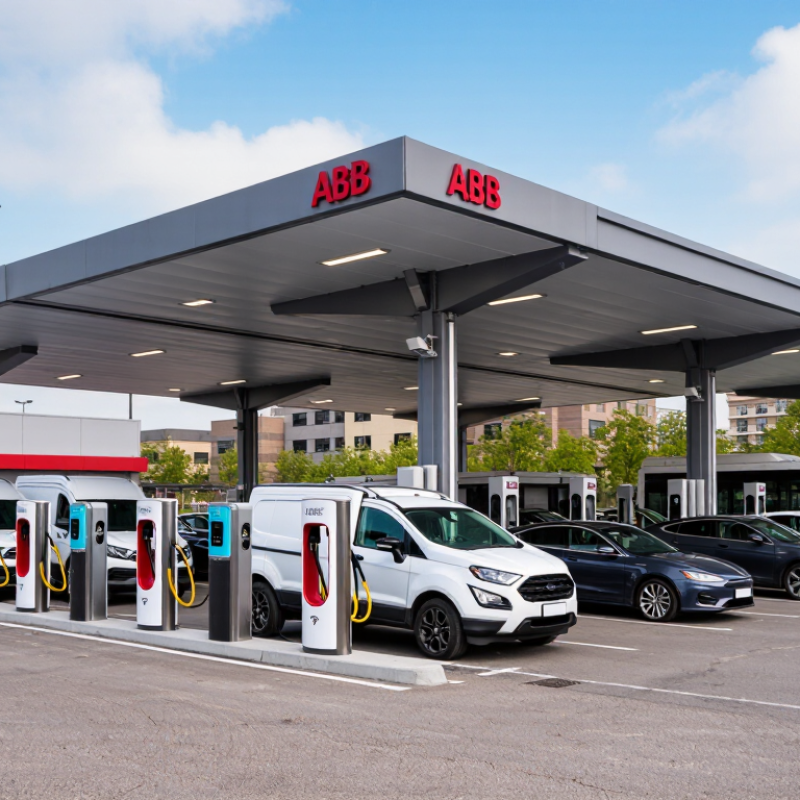
A few established names show up: ABB, ChargePoint, Siemens, Wallbox, and Tesla. Their products fit different operating models. Some are built for high-speed fleet charging. Others work better for workplaces or customer parking. And real-world performance can shift depending on electrical capacity, weather, network strength, and how good local maintenance is. Specs alone can be misleading.

There's no universal winner here.

This list pulls from manufacturer info, industry experience, and practical buying criteria. Still, published performance numbers don't always tell the full story at every site. Installation conditions can reveal weak spots that brochures never mention. Before ordering, buyers should confirm certifications, service response times, software costs, and compatibility. A lower purchase price can turn expensive fast after electrical upgrades or repeated downtime.

The goal is a balanced starting point. Each recommendation calls out its strongest use case, possible limitations, and key questions for commercial buyers. At the end of the day, the best commercial electric vehicle chargers aren't always the fastest ones. They're the ones that stay reliable, manageable, and financially sensible through daily operations.
Top 10 Commercial Electric Vehicle Chargers to Buy?

What Defines a Commercial Electric Vehicle Charger?

A commercial electric vehicle charger is built for repeated daily use, not occasional overnight charging. It must deliver consistent power during busy operating hours. Uptime matters. A suitable unit supports dependable charging for fleets, workplaces, apartments, or public parking areas. Its design should match traffic patterns, parking duration, and available electrical capacity.

Power rating is only one part of the decision. A 7-kilowatt unit may suit long-stay employee parking, while higher-output equipment may serve taxis or delivery vans. Not just speed. Load management can prevent several chargers from overloading the building.

Safety controls, weather resistance, cable durability, and recognized electrical certifications also define commercial quality. Payment options and user access should be simple, especially when drivers arrive after dark.

A professional site assessment should examine panel capacity, cable routes, drainage, lighting, and future expansion. These details affect installation cost more than many buyers expect. When comparing Commercial electric vehicle chargers wholesale options, purchasers should verify warranty terms, replacement parts, software support, and maintenance response times. A low purchase price can become expensive after repeated faults. I would not choose equipment by power rating alone. That sounds efficient, but it can overlook real parking behavior. Even careful planning has limits, because usage forecasts may change within a year.

Which Businesses Need Commercial EV Charging Solutions?

Commercial Electric Car Chargers are not needed by every business. They matter most where vehicles stay parked long enough to recharge. Fleet depots, delivery companies, taxi operators, and service contractors often need scheduled charging overnight. The International Energy Agency’s Global EV Outlook 2024 reported more than 14 million electric car sales in 2023 and nearly 4 million public charging points worldwide. That growth is changing daily operations, not just parking design.

Apartment buildings, hotels, offices, hospitals, and shopping centers also have strong use cases. Drivers may stay for eight hours at an office, one night at a hotel, or thirty minutes at a retail site. Charging speed should match that dwell time. The U.S. Department of Energy’s Alternative Fuels Data Center shows that workplace, fleet, and public charging require different equipment and operating plans. A depot may need several high-power units, while a hotel may benefit from fewer, slower chargers.

Site experience matters. An installer should review electrical capacity, parking flow, accessibility, weather exposure, and future vehicle numbers. One visible charger beside a reception entrance can influence customer confidence. A common mistake is buying the fastest equipment first. It can increase connection costs and remain underused. The first installation is rarely perfect. Businesses should measure charging sessions, peak demand, maintenance calls, and driver feedback before expanding. Industry reports offer useful averages, but each property has its own inconvenient details.

How to Compare Charger Types, Speeds, and Power Ratings

Choosing among the top 10 commercial electric vehicle chargers requires more than comparing price tags. Begin with the charger type. Level 2 units typically use 208–240 volts, according to the U.S. Department of Energy’s Alternative Fuels Data Center. They suit workplaces, hotels, and retail parking, where vehicles remain for several hours. Direct-current fast chargers deliver much higher power, often from 50 kW to 350 kW, but they require stronger electrical infrastructure and careful demand management.

Charging speed depends on more than the charger’s maximum rating. The vehicle’s onboard system, battery temperature, state of charge, and cable capacity can reduce real-world output. A 150 kW charger may provide only 70 kW to a nearly full battery. It happens often. The International Energy Agency reported over 4 million public charging points worldwide by the end of 2023, with more than 1.3 million added that year. This expansion increases availability, but site quality still varies.

For each commercial model, check continuous power, connector compatibility, operating temperature, payment options, remote monitoring, and maintenance access. A charger beside a busy highway needs uptime and rapid service; a fleet depot may value load balancing more than peak speed. I once focused too heavily on kW ratings and underestimated cable reach. That was a practical mistake. Compare energy delivered per parking hour, installation requirements, warranty terms, and verified field performance, not brochure figures alone. Data from the IEA Global EV Outlook 2024 and DOE AFDC can support a more reliable shortlist.

What Features Matter in Commercial EV Charger Selection?

Choosing Commercial Car Chargers requires more than comparing charging speed. The International Energy Agency’s Global EV Outlook 2024 reports that public charging points exceeded four million worldwide in 2023, after growing by more than 40% in one year. This expansion raises user expectations. A busy retail site may need 150 kW or more, while workplace parking often works better with slower, longer-duration charging. Match output to parking time, electrical capacity, and daily traffic.

Reliability matters more than impressive specifications. Look for remote monitoring, automatic fault alerts, secure payment processing, and open communication protocols. A charger should continue operating during rain, dust, and winter temperature changes. Check its ingress protection rating and cable handling design. Small details matter. A heavy cable can frustrate drivers and increase wear. The U.S. Department of Energy emphasizes network availability, transparent pricing, and accessible charging information in public infrastructure guidance. These features support trust, not just convenience.

Installation planning can prevent expensive surprises. Request a site load assessment before selecting equipment, because transformers, trenching, and demand charges may exceed the charger’s purchase price. Smart load management can share power across several vehicles without exceeding the building limit. However, software savings are not guaranteed. Poor configuration can create queues during peak hours. I would also test service response times, spare-parts access, and warranty terms before signing. A lower upfront price may look attractive, but five years of downtime can quietly outweigh it.

Top 10 Commercial Electric Vehicle Chargers to Buy

Commercial Ev Car Chargers are no longer limited to large highway stations. Offices, hotels, retail centers, and delivery depots need different charging speeds and operating features.

The top ten options include a compact 7 kW AC wall charger, a 22 kW AC pedestal charger, and a dual-port AC unit for shared parking. For faster turnover, consider 60 kW, 120 kW, and 180 kW DC chargers. A 240 kW system suits busy fleet depots with suitable electrical capacity. Modular DC chargers can expand as demand grows. Mobile chargers support temporary sites, while solar-assisted chargers may reduce daytime grid demand. Choose connectors that match local vehicles and regulations.

Check more than the advertised power. A reliable charger should support remote monitoring, user authentication, energy metering, and open communication protocols. Weather resistance matters outdoors. Look for strong cable management, emergency shutoff access, and serviceable internal parts. At one busy parking site, a charger delivered less power than expected because several vehicles shared the same circuit. The specification was accurate, but the installation plan was incomplete. That experience is worth remembering. Ask an electrician to confirm transformer capacity, cable distance, protection equipment, and future expansion space. Pricing also needs careful review. Software fees, payment hardware, maintenance visits, and civil work can change the real purchase cost considerably.

Top 10 Commercial Electric Vehicle Chargers to Buy?

A practical comparison of commercial AC and DC charging configurations for workplaces, retail sites, fleets, and public charging locations.

Rank Charger Type Rated Output Electrical Input Typical Connector Approx. Range Added per Hour Recommended Location Key Commercial Feature
1 High-power DC fast charger 150 kW 400–480 V AC, three-phase CCS1 or CCS2 Approximately 90–120 miles Highway stops and fleet depots Fast turnaround for compatible vehicles
2 Dual-port DC fast charger 120 kW shared 400–480 V AC, three-phase CCS1 or CCS2 Approximately 70–95 miles Public charging hubs Two vehicles can charge concurrently
3 Medium-power DC fast charger 60 kW 400–480 V AC, three-phase CCS1, CCS2, or CHAdeMO Approximately 35–50 miles Retail and urban charging sites Lower grid demand than ultra-fast systems
4 Commercial AC Level 2 pedestal 19.2 kW 208–240 V AC, single-phase J1772 or NACS Approximately 50–70 miles Workplaces and shopping centers High daily utilization with moderate installation cost
5 Dual-port AC Level 2 charger Up to 19.2 kW per port 208–240 V AC, single-phase J1772 or NACS Approximately 50–70 miles per hour Office parking and hotels Serves two parking spaces from one installation
6 Networked AC Level 2 wall charger 7.2–11.5 kW 208–240 V AC, single-phase J1772 or NACS Approximately 25–40 miles Small businesses and apartment buildings Remote monitoring, access control, and usage reporting
7 Fleet depot AC charger 11.5–19.2 kW 208–240 V AC, single-phase J1772 or NACS Approximately 30–70 miles Delivery and service fleets Scheduled charging supports overnight operations
8 Solar-integrated AC charging station 7.2–19.2 kW 208–240 V AC, single-phase J1772 or NACS Approximately 25–70 miles Campuses and sustainability-focused sites Can coordinate charging with on-site solar generation
9 Load-managed multi-port AC system 7.2–19.2 kW per port 208–480 V AC, site-dependent J1772 or NACS Approximately 25–70 miles Large parking facilities Balances charging demand to reduce peak electrical load
10 Heavy-duty vehicle DC charger 180–350 kW 400–800 V DC output system CCS1, CCS2, or MCS-ready connection Approximately 110–250 miles Bus, truck, and logistics depots Designed for high-capacity batteries and short dwell times

Note: Charging speed and driving range vary with vehicle efficiency, battery state of charge, temperature, cable limits, site power capacity, and local electrical requirements. Final equipment selection should be confirmed by a qualified electrical professional.

How to Install, Operate, and Maintain Commercial EV Chargers

Choosing among the top 10 commercial electric vehicle chargers requires more than comparing charging speed. Installation begins with a site survey, electrical load calculation, and suitable cable routing. A qualified electrician should verify voltage, grounding, protection devices, and local permit requirements. Keep chargers away from standing water, damaged pavement, and vehicle turning paths. Leave enough space for wheelchair access and safe cable handling.

Operation should feel simple for drivers and staff. Clear instructions must explain authentication, payment, charging status, and emergency shutdown. Test every connector before opening the site. Watch for overheating, unusual sounds, failed sessions, or loose cables. A charger that looks modern may still deliver a poor customer experience.

Maintenance needs a written schedule. Inspect plugs, screens, cable jackets, ventilation openings, and protective covers regularly. Clean equipment with approved materials, not aggressive solvents. Review software alerts and charging records for repeated faults. Keep a service log with dates, symptoms, repairs, and technician details. Replace damaged parts quickly, even when the charger still works. Small defects become expensive failures.

Real sites are rarely perfect. Dust, winter salt, poor parking, and rushed users can expose weak planning. Recheck the layout after several weeks of operation. Ask drivers where they struggle. Reliable performance comes from repeated inspection, measured improvements, and honest records.

FAQS

What is a commercial electric vehicle charger designed for?

It supports repeated daily charging for fleets, workplaces, apartments, and public parking areas. Uptime matters. Its power, durability, and controls should match local traffic patterns.

How should charging power be selected?

Consider parking duration and vehicle activity, not speed alone. A 7-kilowatt charger may suit employee parking. Higher output may better serve taxis or delivery vans. Faster is not always better.

Why is load management important?

Several chargers can overload a building’s electrical system without proper controls. Load management distributes available power safely. It may reduce charging speed during busy periods, but protects overall operation.

What should a site assessment examine?

Check electrical panel capacity, cable routes, drainage, lighting, and future expansion space. Inspect turning paths and pavement conditions. These details can affect installation costs significantly.

What safety features should commercial chargers include?

Look for suitable grounding, protection devices, weather resistance, durable cables, and recognized electrical certifications. Keep equipment away from standing water. Leave clear space for wheelchair access and safe cable handling.

How can drivers operate the charger easily?

Instructions should explain authentication, payment, charging status, and emergency shutdown. Test every connector before opening the site. Dark parking areas need clear lighting and visible controls.

What maintenance routine is recommended?

Inspect plugs, screens, cable jackets, ventilation openings, and protective covers regularly. Clean them with approved materials. Review software alerts and charging records. Keep a dated service log.

When should damaged charger parts be replaced?

Replace damaged cables, plugs, or covers quickly, even if charging still works. Small defects can become expensive failures. I might underestimate this during quiet periods. That would be a mistake.

How can operators improve charger reliability over time?

Recheck the layout after several weeks of operation. Ask drivers where they struggle. Watch for overheating, unusual sounds, failed sessions, and loose cables. Forecasts can change within one year.

What should buyers compare besides the purchase price?

Compare warranty terms, replacement parts, software support, and maintenance response times. A low price may become costly after repeated faults. Power ratings alone do not tell the full story.

Conclusion

This guide explains what sets commercial electric vehicle chargers apart from residential units, including their higher power capacity, durability, network connectivity, and ability to support multiple vehicles. It explores which businesses can benefit most from workplace, retail, fleet, hospitality, and public charging solutions, while outlining how to compare charging levels, output speeds, connector compatibility, installation requirements, and energy demands.

The article also presents ten carefully selected types of commercial electric vehicle chargers to consider, focusing on practical performance rather than brand names. It highlights important features such as payment options, access control, load management, remote monitoring, safety protection, weather resistance, and maintenance support. Finally, readers will learn the essential steps for planning installation, operating chargers efficiently, monitoring usage, and maintaining equipment to provide a reliable, convenient, and cost-effective charging experience.

Sophie

Sophie

Sophie is a dedicated marketing professional at Fuzhou Yuǎn Jìn Chuan Néng Technology Co., Ltd., where her expertise in the company's innovative products sets her apart. With a strong understanding of the industry, she frequently contributes to the company's professional blog, crafting insightful......
Previous Top Level 2 EV Charger Buying Guide for Global Buyers