Why Commercial EV Charging Reliability Matters More Than Ever in 2026
Introduction
As electric vehicles move decisively from early adoption into the mainstream, commercial EV charging infrastructure is entering a critical phase. By 2026, fleets, commercial property owners, and public charging operators are no longer evaluating charging stations based solely on price or charging speed. Reliability has become a core investment criterion, one that directly determines operational continuity, financial performance, and user trust.
In commercial environments, charging downtime is not an inconvenience. It leads to missed deliveries, disrupted schedules, higher labor costs, and dissatisfied drivers. As utilization rates rise and charging becomes mission-critical, reliability is no longer a technical detail, it is a business requirement.
Growing Demand Is Redefining What Reliability Means
Global EV adoption continues to accelerate, with commercial fleets leading the transition. From last-mile delivery vehicles and service fleets to corporate mobility programs, electrification is scaling rapidly. This growth places intense pressure on charging infrastructure to operate consistently under continuous, high-load conditions.
Unlike residential charging, commercial charging environments demand simultaneous multi-vehicle support and near 24/7 availability. Fleet depots, workplace parking facilities, and urban charging hubs cannot tolerate frequent outages or performance degradation. For operators, charger reliability directly impacts revenue, fleet utilization, and contractual performance. As a result, there is a clear market shift toward commercial-grade charging equipment that has been validated through rigorous functional testing, thermal performance verification, and long-term durability assessments.
Networked Charging Is Essential for Commercial Reliability
In commercial and multi-user environments, non-networked chargers increasingly fall short. While standalone units may work in private garages, they lack the visibility, accountability, and control required for workplaces, multi-family housing, and retail locations.
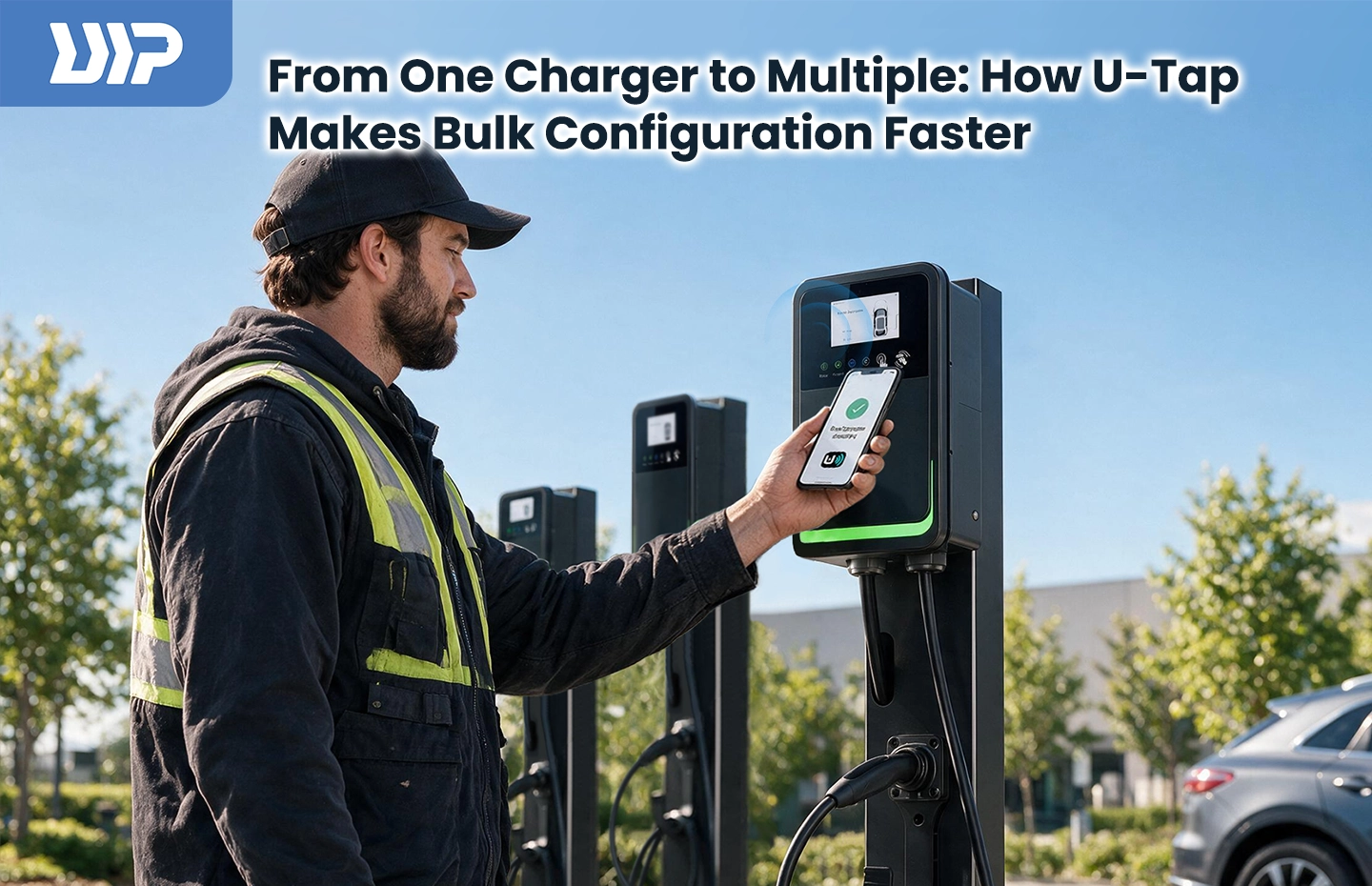
Networked EV charging stations transform hardware into managed infrastructure. Real-time monitoring allows operators to instantly see whether a charger is online, offline, or in need of attention. Access control enables clear differentiation between employees, tenants, and public users, preventing misuse and simplifying administration.
Equally important, networked systems generate accurate usage and energy data to support billing, ESG reporting, and cost allocation. Automatic software updates help ensure cybersecurity, regulatory compliance, and long-term system stability. Integrated payment capabilities eliminate manual workarounds and enable scalable, professional operations, critical as charging networks expand.
Durability and Environmental Ratings in Real-World Conditions
Commercial charging equipment must perform in environments far harsher than controlled test labs. Exposure to rain, heat, cold, dust, and physical wear is routine, particularly in public and high-traffic locations. Without proper enclosure design and material selection, even advanced chargers can suffer premature failures.
That is why durability standards and environmental ratings matter. NEMA 3R enclosures are suitable for moderate outdoor environments, while NEMA 4 and 4X ratings are essential for demanding climates, coastal areas, and locations with public access. In addition, vandalism-resistant features and secure cable management play a crucial role in minimizing physical damage and reducing downtime across large commercial installations.
EV Charging Uptime Depends on Proactive Maintenance
Industry data shows that average EV charging network uptime remains just above 73%, underscoring how widespread reliability challenges still are. Improving uptime is essential to delivering a consistent and positive charging experience, and the most effective way to achieve this is through preventive maintenance.
Daily site checks by facility staff can identify visible issues early, such as debris blocking access, snow accumulation, or damaged charging cables. Addressing minor problems promptly often prevents them from escalating into costly repairs or extended outages.
Beyond daily checks, partnering with qualified EV charging station installers for monthly and seasonal inspections is equally important. Licensed professionals can test charger performance, assess wear on connectors and cables, and verify that stations are running the latest firmware. Given the high demand for skilled electricians and the shrinking labor pool, long-term commercial electrical maintenance plans provide greater reliability than reactive, short-notice repairs.
Engineering Reliability into Commercial EV Chargers
True reliability starts at the design stage. Advanced commercial EV chargers in 2026 incorporate adaptive hardware architectures, overcurrent protection, relay arc suppression, and O-PEN safety mechanisms. These features reduce electrical faults, stabilize power delivery, and extend service life under heavy usage.
Software intelligence is just as critical. Real-time diagnostics, remote firmware updates, and predictive maintenance capabilities allow operators to resolve issues before they impact drivers. Compliance with open standards such as OCPP ensures seamless integration with existing charging management platforms, reducing system fragmentation and improving operational continuity.
The Financial and Brand Impact of Reliability
For commercial operators, unreliable charging infrastructure carries significant financial consequences. A single malfunctioning charger at a high-traffic site can disrupt operations, increase staffing costs, and damage customer confidence. In contrast, investing in reliable, commercial-grade charging equipment delivers measurable returns through lower maintenance expenses, higher utilization rates, and improved user satisfaction.
In fleet electrification projects, particularly in logistics and delivery operations, charging reliability directly influences vehicle availability, route planning, and overall efficiency. Over time, dependable charging networks also strengthen brand reputation, positioning operators as trusted partners in the EV ecosystem.
Preparing for 2026 and Beyond
As EV adoption accelerates, regulatory requirements tighten, and user expectations rise, the commercial charging market is shifting toward quality-first decision-making. Reliability is no longer optional, it is the baseline for scalable, future-ready EV infrastructure.
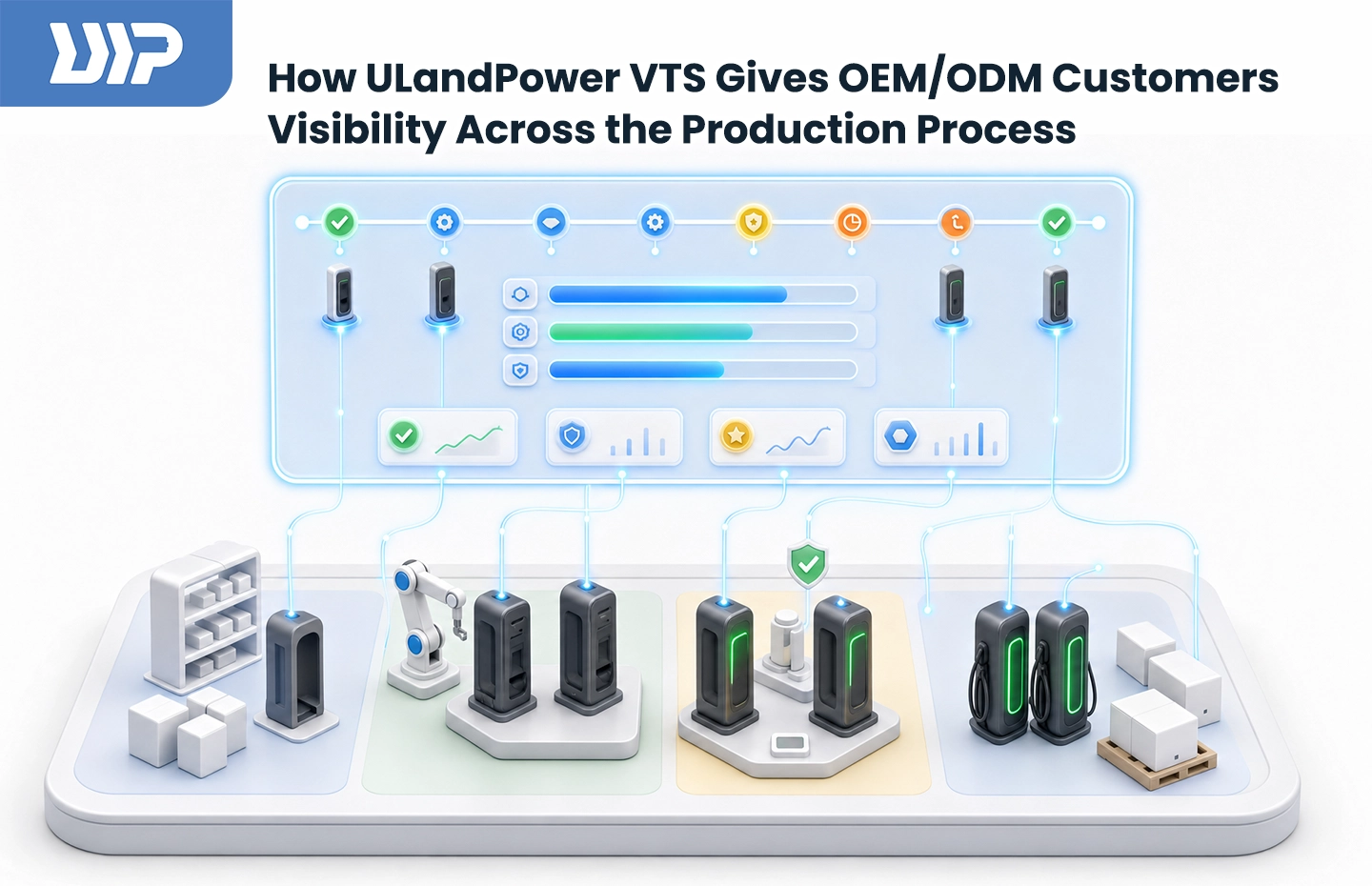
ULandPower understands the operational realities faced by fleet operators, commercial property owners, and charging network providers. Our AC and DC charging solutions are engineered with reliability at their core, supported by comprehensive functional testing, automated test equipment (ATE), and rigorous aging processes. This ensures consistent performance in real-world commercial environments, helping operators minimize downtime and protect long-term investments.
In 2026, commercial EV charging reliability is not simply a technical metric, it is a competitive advantage. Organizations that prioritize dependable infrastructure today will be best positioned to lead in the next phase of the electric mobility transition.